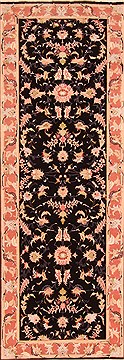
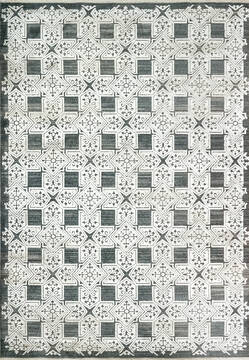
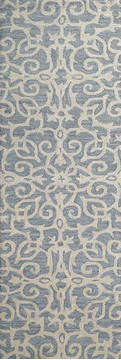
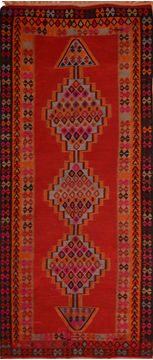
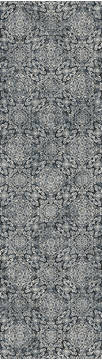
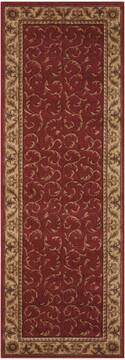
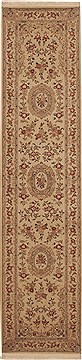
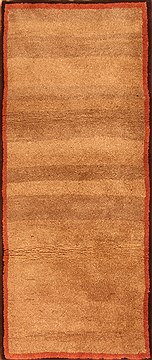
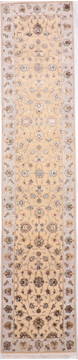
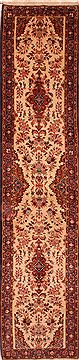
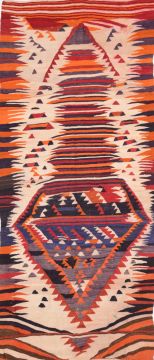
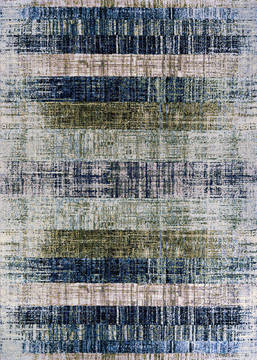
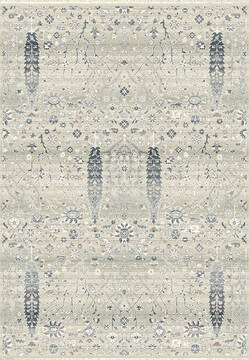
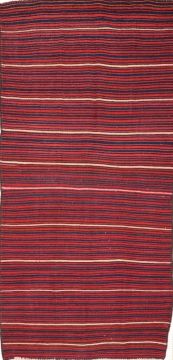
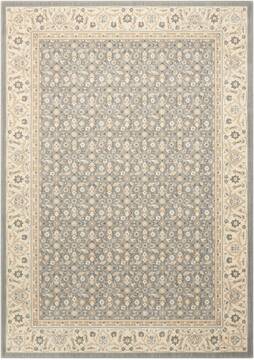
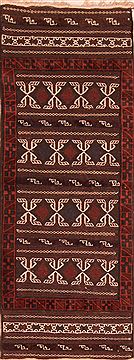
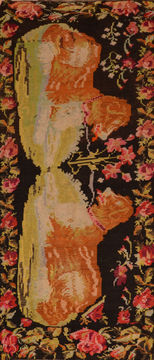
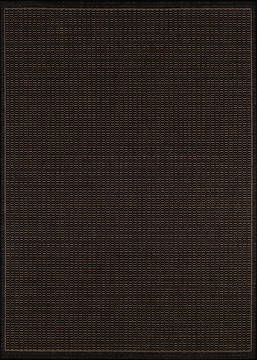
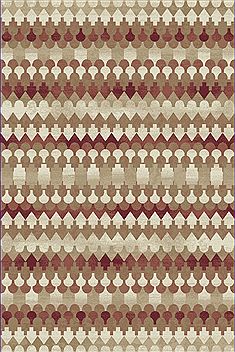
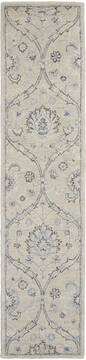
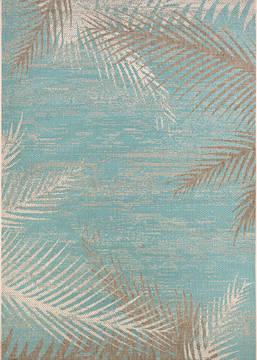
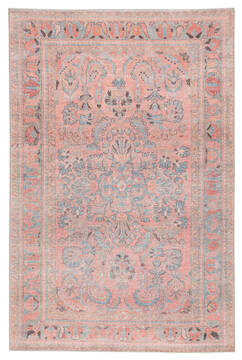
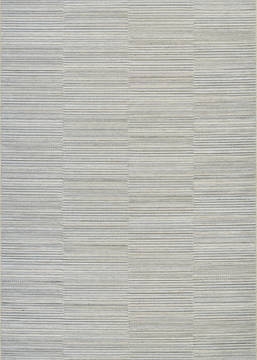
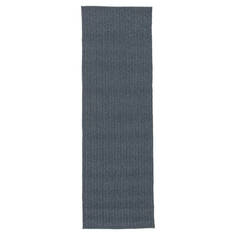
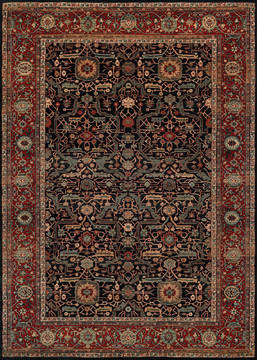
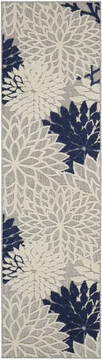
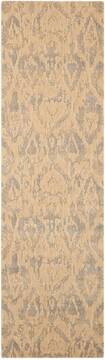
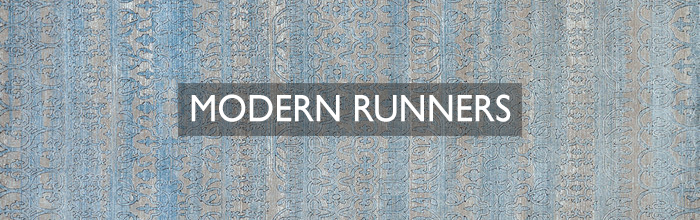
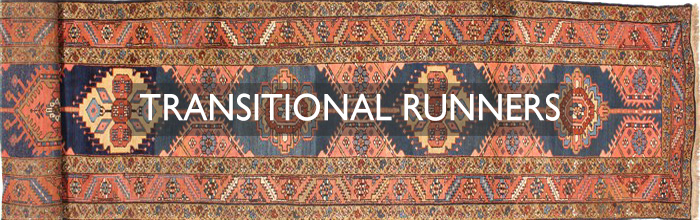
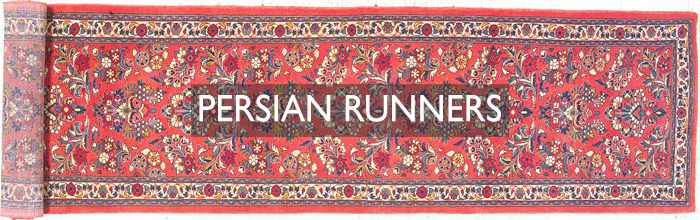
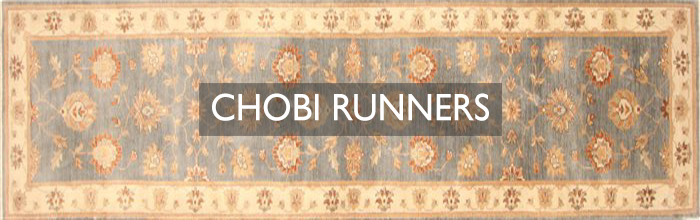
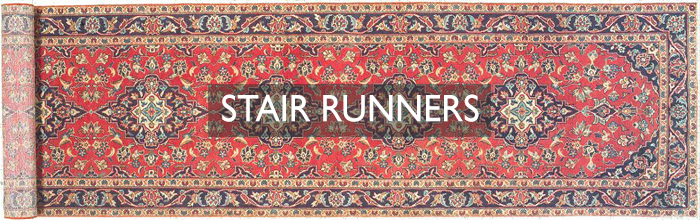
Rug runners are a wonderful addition to your bedroom, kitchen and hallway. Area rug runners can make any location more tied together and serve a useful function. For example, staircases without a carpet runner can be boring. But hardwood stairs can also be cold and a risk hazard if the floors are slippery. Similarly, a kitchen can appear bare without a beautiful rug runner. A carpet runner in your kitchen and hallway can also help prevent slips and falls. Rug runners can transform an empty space and give you a warm feeling of satisfaction. Imagine waking up in the morning, and stepping onto a warm and stunning bedside runner. We offer a wide selection of modern and hand-knotted rug runners. Our hand-knotted selection includes Persian, Indian, Pakistani, Nepali rug runners and more!

_________________________________________________________________
Runner Rugs
It’s easy to decorate a living room, dining room or bedroom. It becomes a real task when you want to decorate your long narrow hallway or staircase. That’s where an Oriental or Persian rug becomes handy.
A traditional Persian area rug will brighten up a narrow hallway. It will add color and life to a place where there is no life. In hallways particularly narrow hallways, it is almost impossible to place furniture or any other decorative item. Therefore, the main option is to pick a beautiful area rug. Adding some color to a hallway is best possible with an oriental hand knotted rug.
A beautiful runner in a hallway doesn’t have to be exactly the same as the rug that you have in the adjacent living room or dining room. However, it is easier to match the colors, patterns and motifs of your rug with an oriental rug more than any other piece of furniture. Choosing similar colors between your hallway runner and the rug sitting in your living room or family room will do the job.
When you place two Persian or oriental rugs next to each other you would be surprised to see how easily they can compliment each other. Its as though they were intentionally made to be placed next to each other. Rug motifs and patterns are very helpful too. By focusing on similar patterns and motifs, you can easily harmonize the two different rugs.
There are many shared elements within hand knotted rugs. Your hallway runner doesn’t have to be exactly the same as the rug weaved in your living room or your other adjacent rooms. You can place another type of oriental runner which has some of the colors that your Tabriz or Kashan rug has.
If your rug is one of those muted antique looking rugs it is even easier to find a runner partner for them. The key however is that you don’t have to be looking for exact same runners as your rug. What is important is to bring uniformity and consistency into the home. This does not mean that exact same rugs wouldn’t work. As a matter of fact many weavers do weave hand knotted carpets complementary to one another.
Nowadays more and more rug makers weave their rugs with the intention to sell. The chance of finding area rugs and runners that much has become easier. Particularly in countries such as Pakistan, Nepal and India, the hand knotted rug business is now more industry oriented. Many weavers produce more than one rug of the same design for runners and area rugs so they complement each other.
Hallways and staircases are sometimes easier to decorate with a rug. Since you just have to match your rug with the wall paint, wood work or tiles of the floor covering and stairs and railings.
If the hallways are too long sometimes it becomes a real challenge to find a hand knotted runner to fill the place. What you need to know is that first of all you do not have to cover the entire hallway from one end to another. There is also no particular standard to how much of the wood should show from both ends. However, it should not look awkward. An open area of 1 to 2 feet is good size to uncommon for longer hallways. Thus you runner could be up to 4 feet shorter than your hallway length. The ideal situation, however, would be to leave as much space at two ends as on the sides of your runner.
It is important to have in mind that those long runners do exist in market and with a huge rug retailer such as Rugman with thousands of beautiful handmade runners available on the inventory; you can always get your most desired size and design for your hallway runners. However if you cannot find the right size runner, the easiest way to place a beautiful hand knotted runner on your hallway is to pick a slightly larger runner and have the Rugman customize it for your hallway often with little or no extra charge. On the top of that if you have a little patience to wait for few months and little extra budget we can even custom make a brand new hand knotted rug of any size you like with the colors and design of you preference.
For long staircases particularly if they are swerving staircases sometimes it is easier and more practical to go with a modern design hand knotted rug. There are also ready-made rolled machine made runners that might be used for the long star cases. The only issue with rolled machine made runner is that if you want a perfect looking border at two ends that are cut, it needs a little serious customization and might involve some extra charges.




Be the first to know about new designs and
exclusive offers, and get up to
10% OFF
your first purchase
Rugman since 1998 | The first and oldest online rug store
You can unsubscribe with a single click. We value your privacy; click here for more info.
You have one more step to join
Rugman Insider Club.
A coupon code will be emailed to you.
Please check your email and just
click the green “Confirm Subscription” button.



 Rectangle
 Round
Round
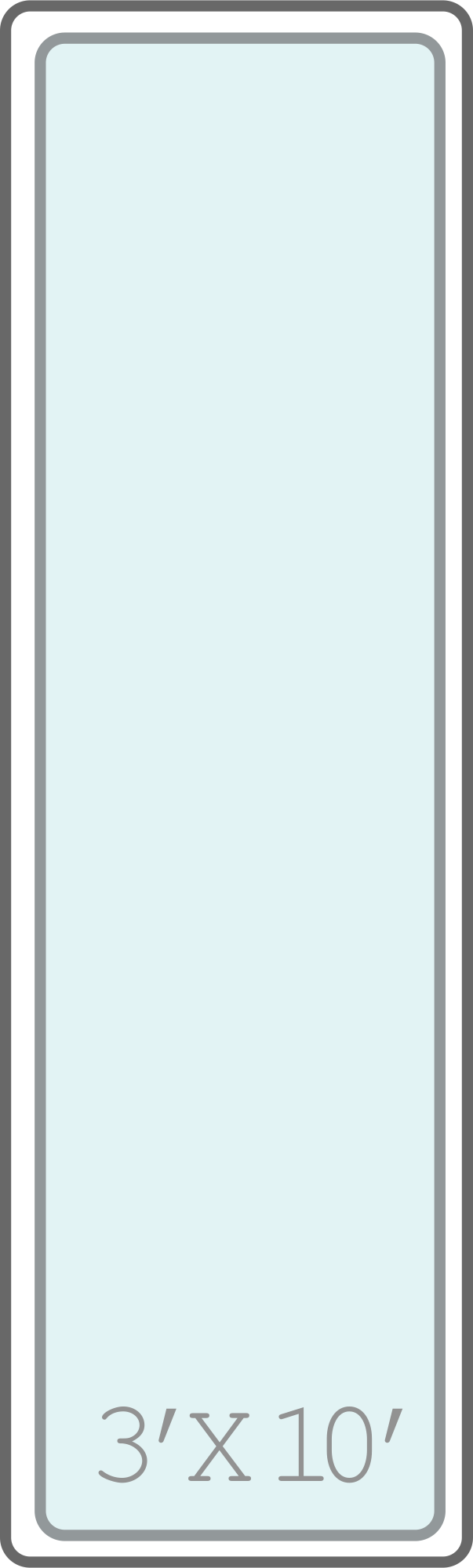 Runner
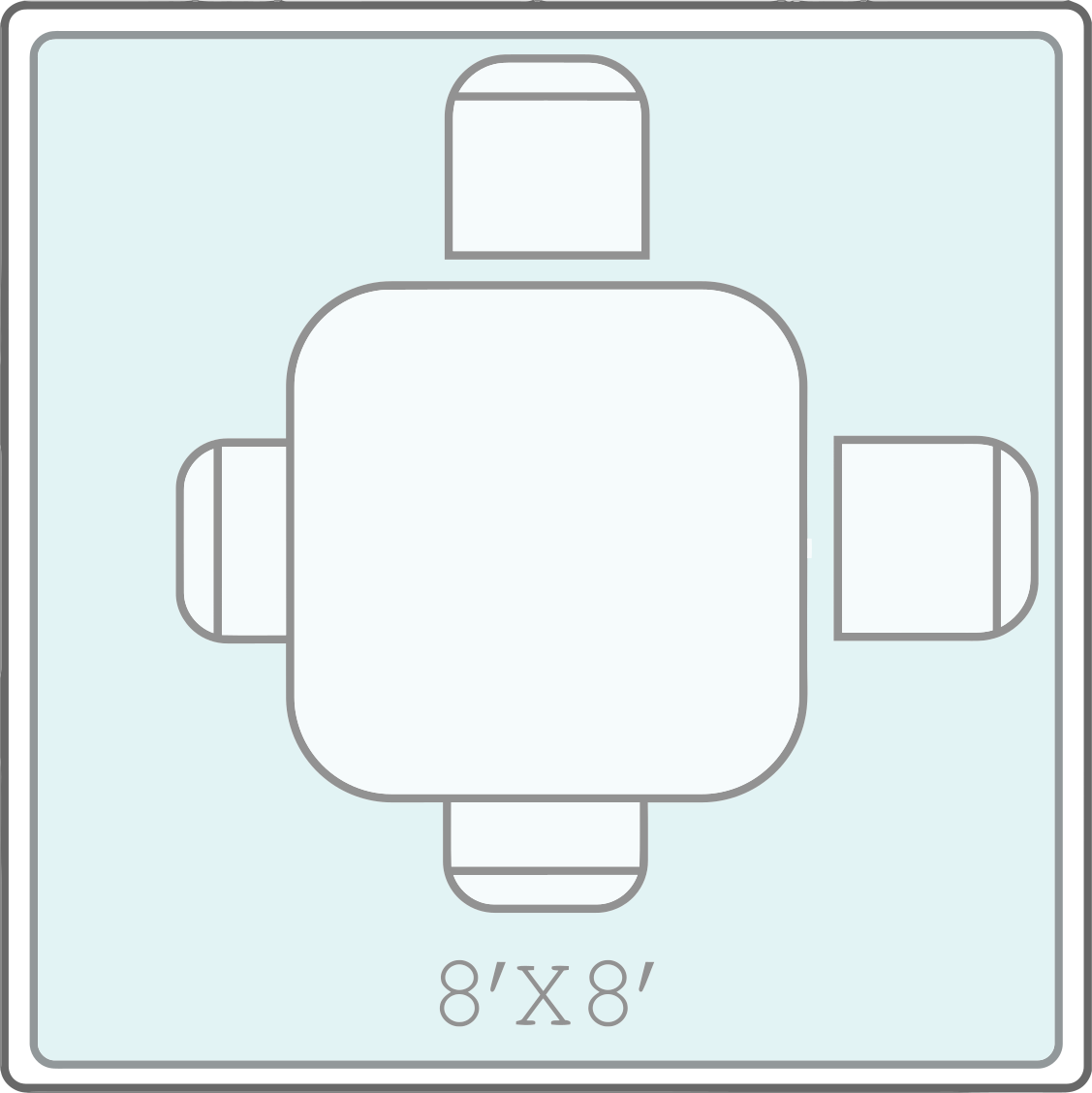 Square