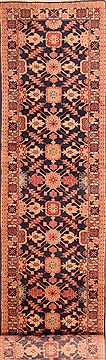
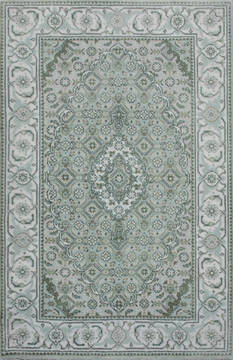
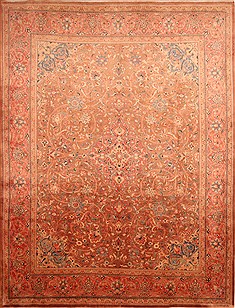
The Area Rug Difference
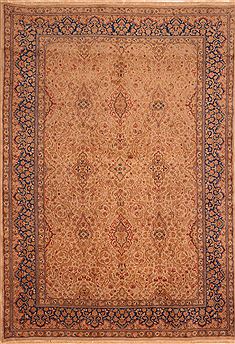
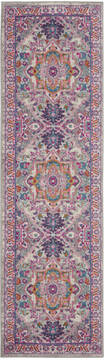
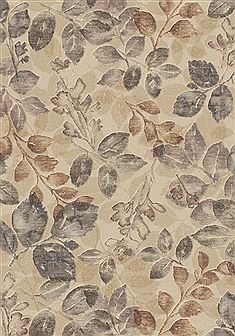
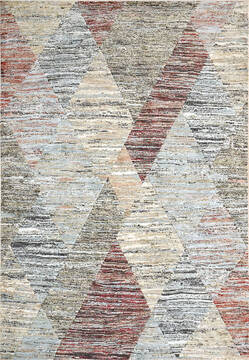
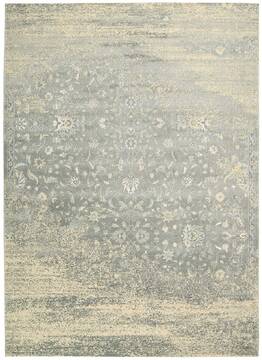
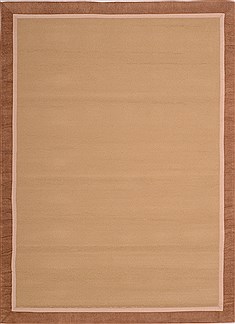
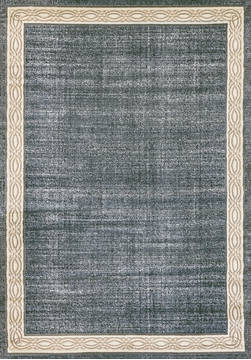
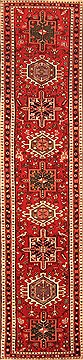
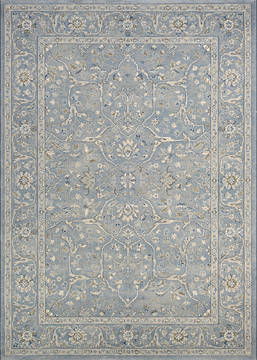
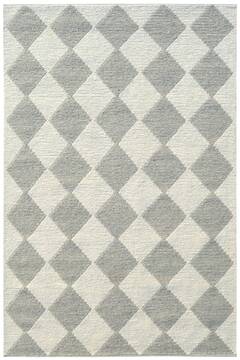
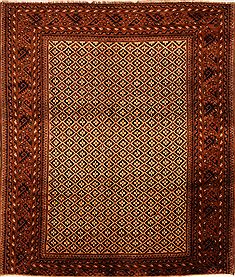
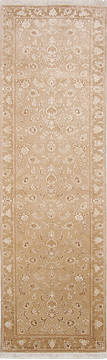
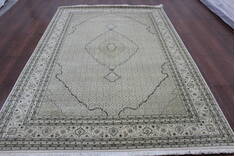
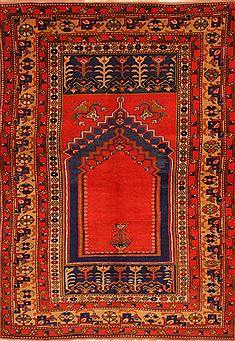
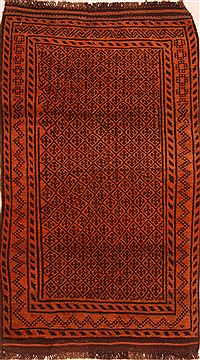
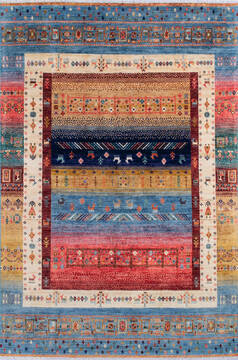
Area rugs are making their mark as the feature, the prestige symbol, the one luxury that no beautiful room can be without. Interesting furniture and artwork are not at their best when placed directly on hardwood or tile. They only show their full glory when placed on that ultimate piece of fantasy, the area rug.
Area rugs last a lot longer:
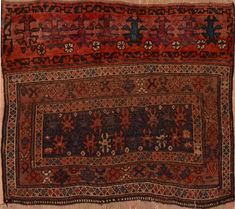
The average lifespan of artificial-fiber broadloom carpeting is about 10 to 12 years. Then you call in the movers from its big trip to the dump. With a little care, a handmade area rug will last 60 years or more.
Area rugs are worth more:
Broadloom depreciates faster than the average car, with no re-sale value whatever. Area rugs need very little maintenance, no gas, no oil and no new tires. Yet they remain the center of conversation for all your friends, the prestigious life-and-soul of every social gathering. (While we can't promise your Rugman.com rug will actually increase in value, we can make the observation that, in the resale market, handmade area rugs are considered more collectible with age and even wear.)
Area rugs are environmentally friendly:
According to the Environmental Protection Agency, about 4 billion pounds of carpet are put into landfills every year in the United States. That's 2% of all garbage in the U.S.! On the other hand, you're far more likely to hold onto a hand-woven rug made of natural fibers, or to pass it on to a friend or loved one, or to sell it.
Area rugs are healthier:
According to the American Lung Association, artificial-fiber broadloom carpeting are a major indoor pollutant, causing eye, nose and throat irritation, headaches, skin irritations; shortness of breath or cough, and fatigue. They can also act as a 'sink' for chemical and biological pollutants including pesticides, dust mites, and fungi.
Area rugs don't get as dirty:
Most artificial carpet fibers build up an electrical charge and attract dirt and dust. The wool and silk fibers in handmade area rugs have anti-static properties, and so tend not to accumulate nearly as much dirt. When rug underpadding is used, dust and dirt pass through the rug and are deposited underneath for easy vacuuming.
Area rugs are easier to clean:
Once every ten years or so, you may want to have your rug cleaned. How easy it is to roll it up and take it to a professional cleaner! Always get good recommendations to be sure that you can trust him with your valuable rug. But how much more pleasant than lugging that huge cleaning machine home from the supermarket, and wondering whether you did a good job or whether you could really have done it better.
We can go on and on here, but you get the picture. For more on how area rugs are made, see our tutorial.
"[N]ew carpet can be a source of chemical emissions. Carpet emits volatile organic compounds, as do products that accompany carpet installation such as adhesives and padding. Some people report symptoms such as eye, nose and throat irritation; headaches; skin irritation; shortness of breath or cough; and fatigue, which they may associate with new carpet installation. Carpet can also act as a 'sink' for chemical and biological pollutants including pesticides, dust mites, and fungi." - The American Lung Association
"Approximately 4 billion pounds of carpet are discarded every year in the United State, accounting for 1.1% of all municipal solid waste by weight, or about 2% by volume. The bulky nature of carpet and the variety of materials used in its manufacture often create handling, collection, and recycling problems for local and state government" - U.S. Enviromental Protection Agency