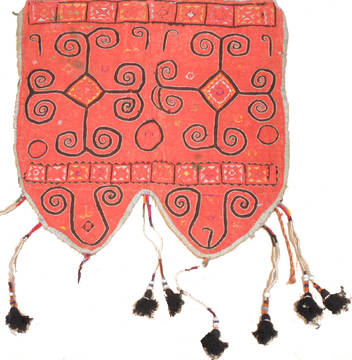
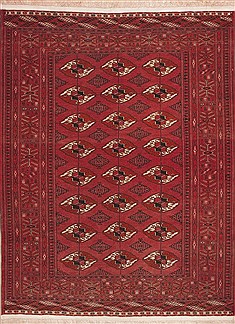
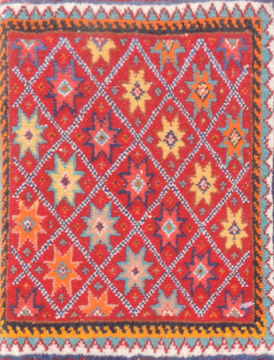
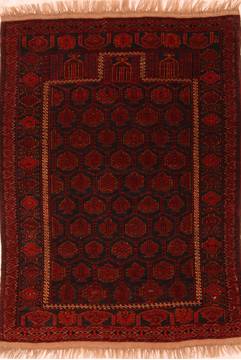
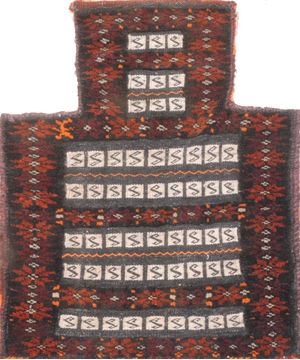
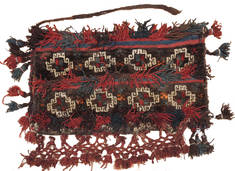
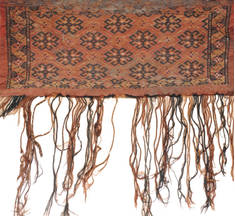
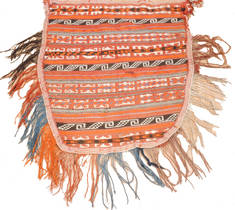
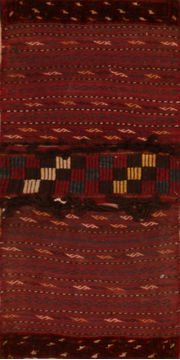
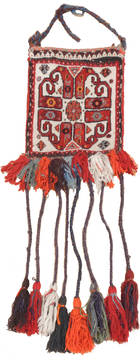
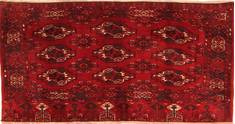
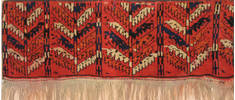
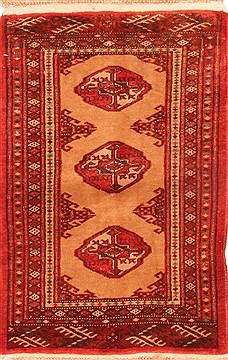
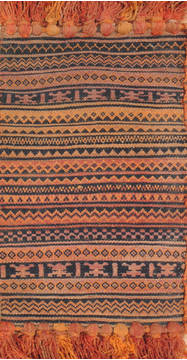
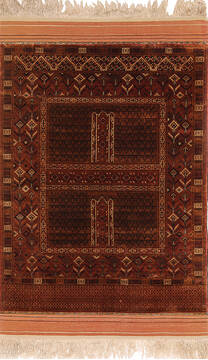
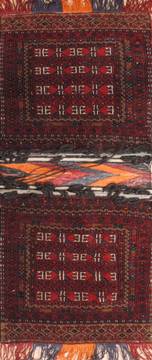
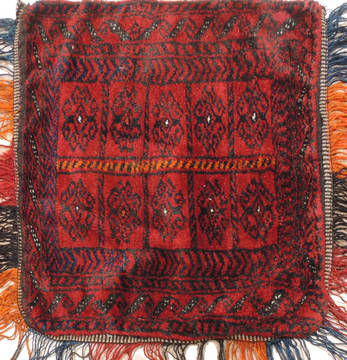
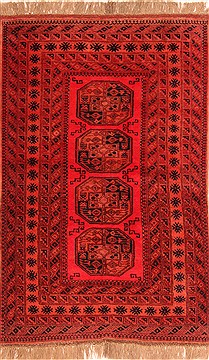
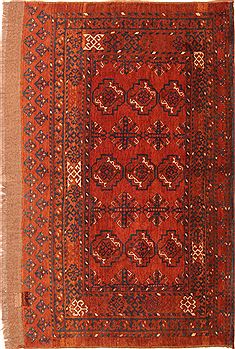
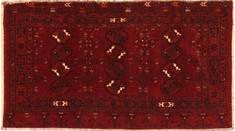
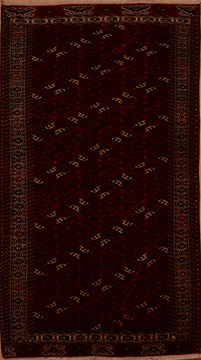
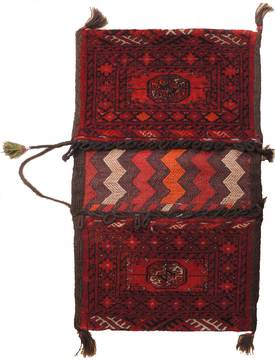
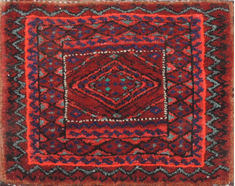
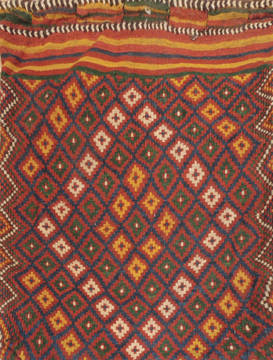
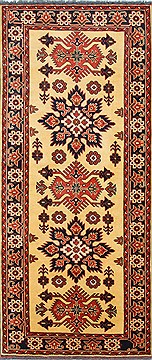
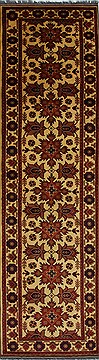
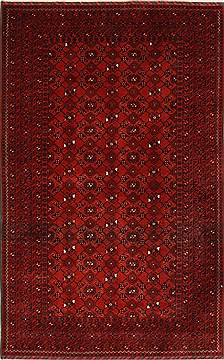
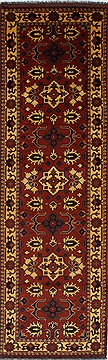
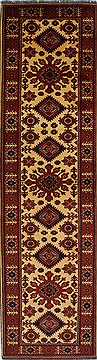
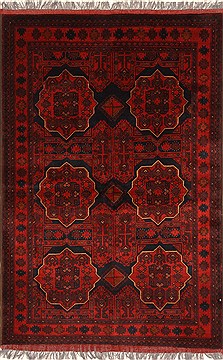
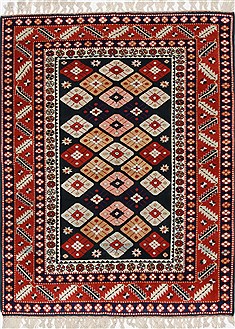
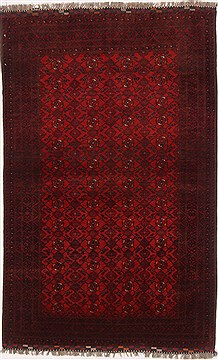
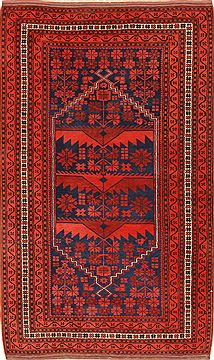
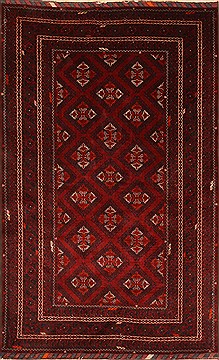
Turkman area rugs are one of the favored categories of rugs by people who demand class and style in simplicity. Although originally design and woven by tribal people and for their own use, turkeman rugs one found their way into the western world they grabbed attention of most Americans and Europeans.
(6'10" x 7'11") Persian Turkman
SKU 100-27704
(7'4" x 13'11") Persian Turkman
SKU 100-25222




Be the first to know about new designs and
exclusive offers, and get up to
10% OFF
your first purchase
Rugman since 1998 | The first and oldest online rug store
You can unsubscribe with a single click. We value your privacy; click here for more info.

You have one more step to join
Rugman Insider Club.
A coupon code will be emailed to you.
Please check your email and just
click the green “Confirm Subscription” button.



 Rectangle
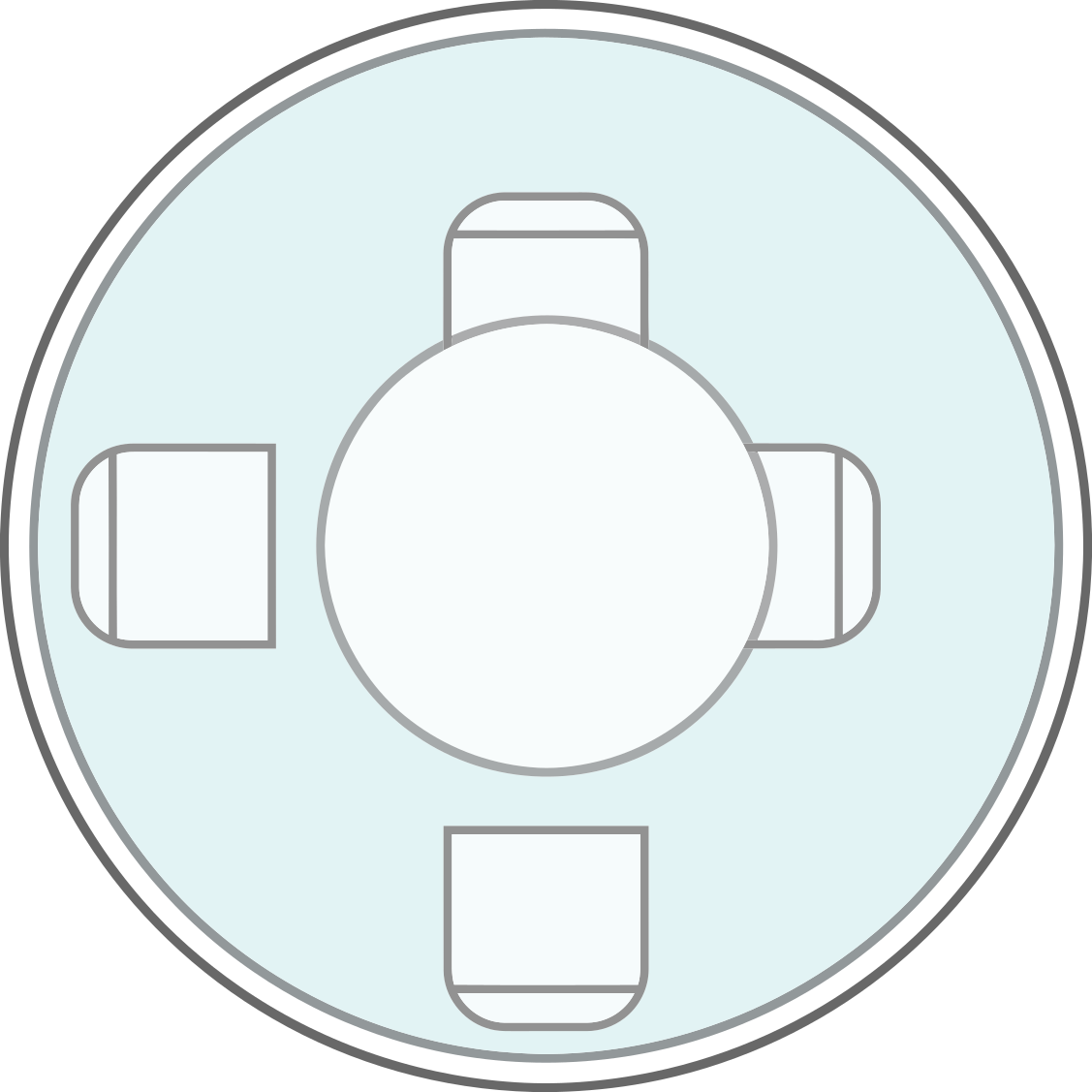 Round
Round
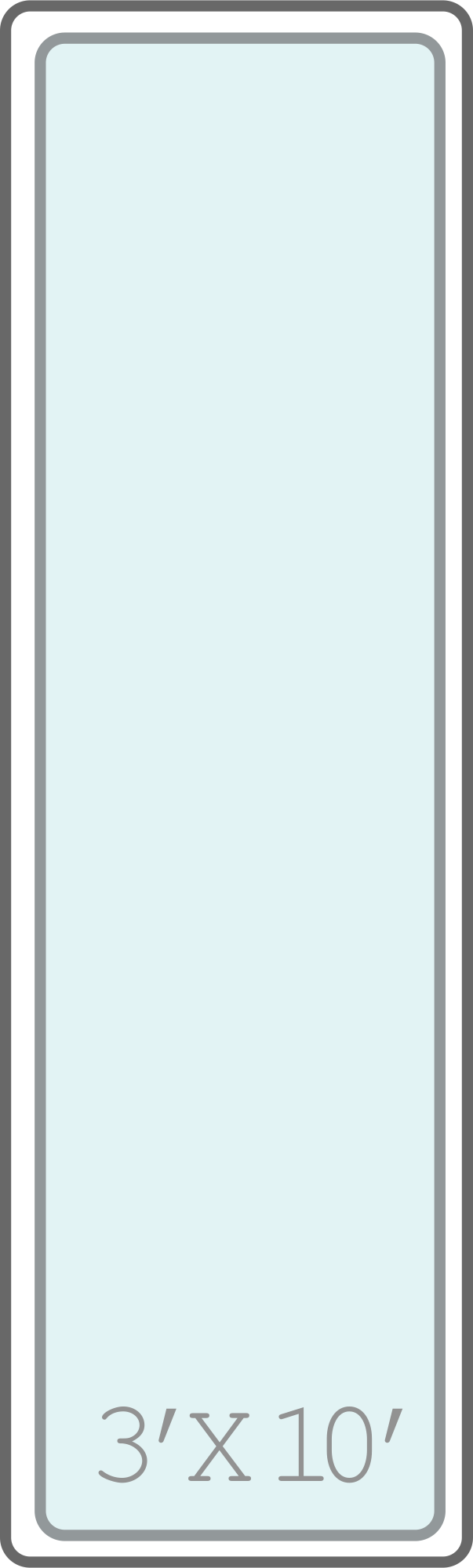 Runner
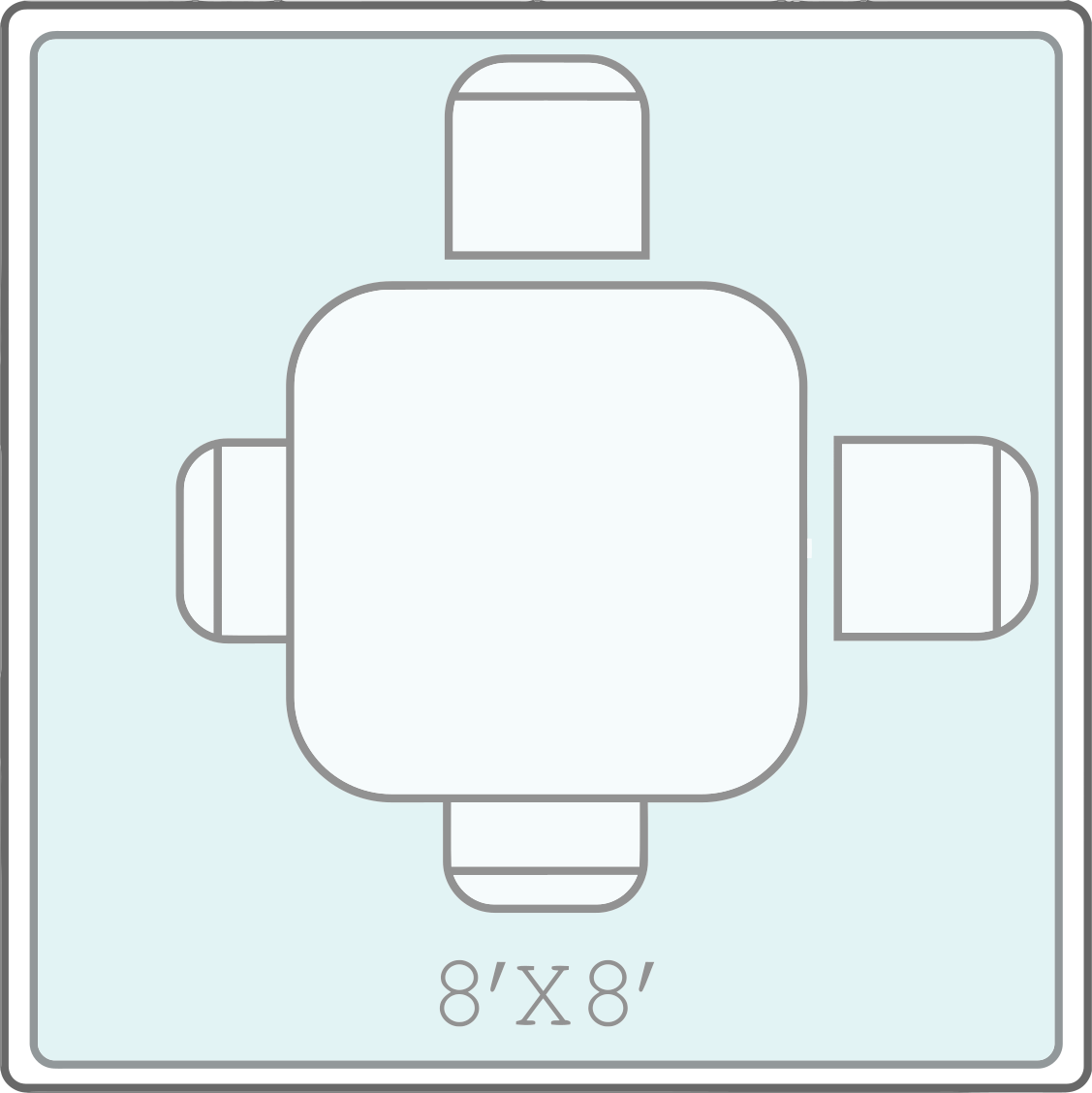 Square