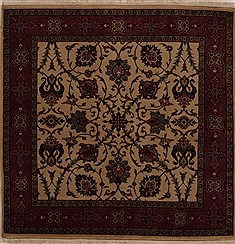
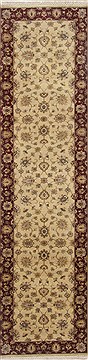
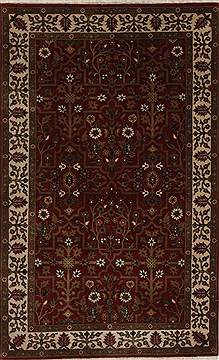
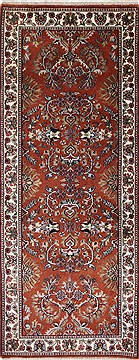
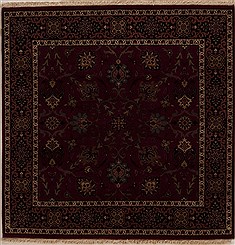
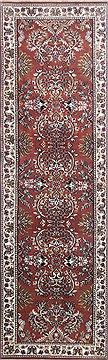
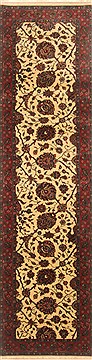
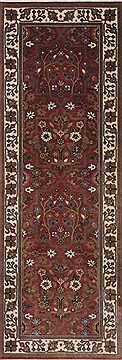
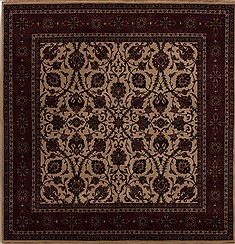
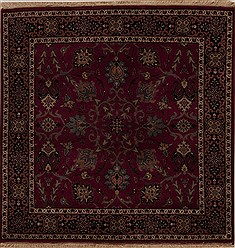
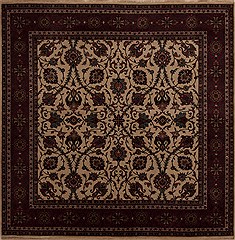
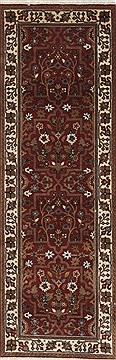
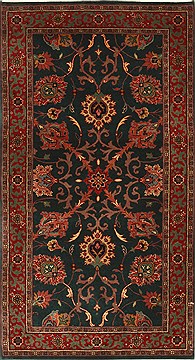
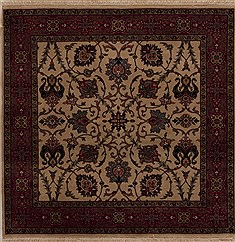
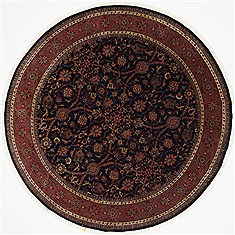
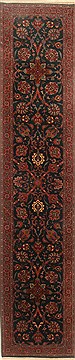
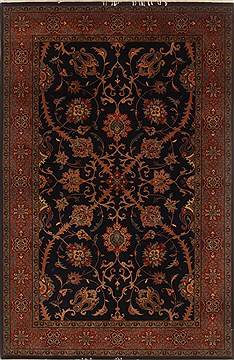
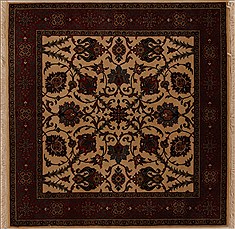
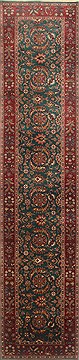
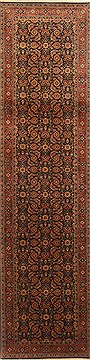
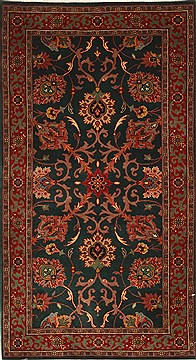
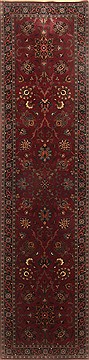
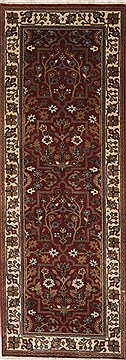
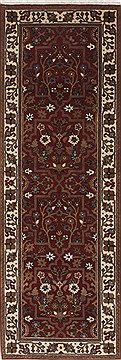
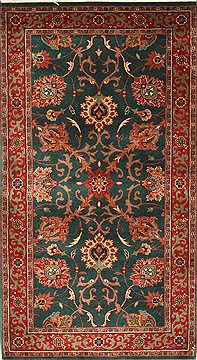
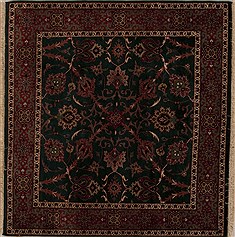
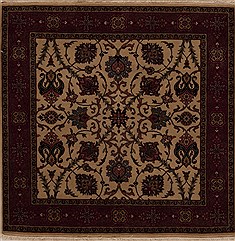
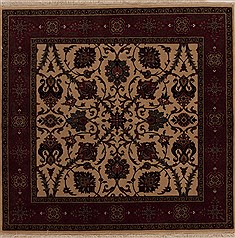
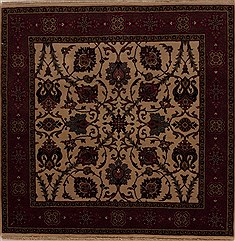
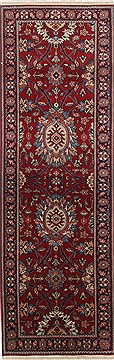
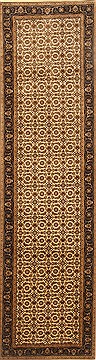
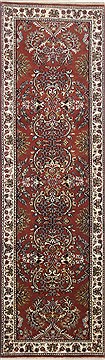
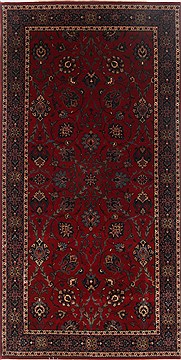
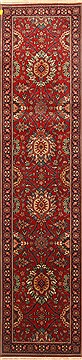
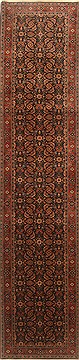
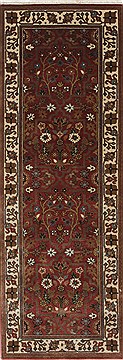
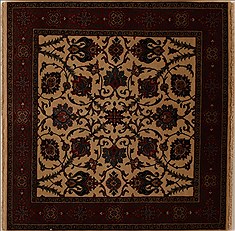
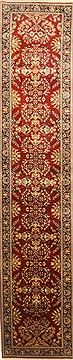
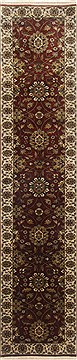
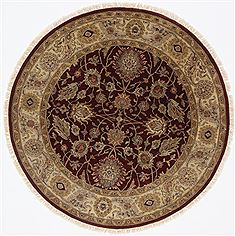
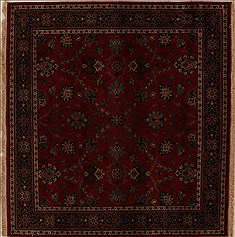
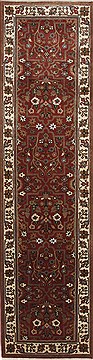
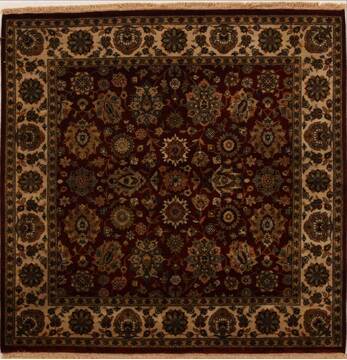
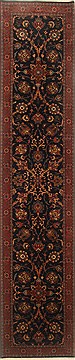
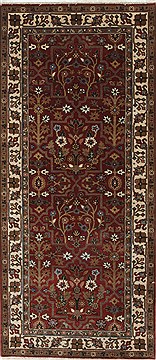
Semnan rugs originate from Semnan, located on a large plain along the southern edge of the Alborz Mountains between Tehran and Mashad. Known for its superbly crafted area rugs, Semnan is also a thriving marketplace for local grains, cotton, and tobacco. Although Semnan can now boast over 50,000 inhabitants, production of area rugs is rather limited, creating a very high demand, particularly among collectors. All Semnan rugs are very finely and densely woven with thick wool strands by extremely skilled artisans using the Persian asymmetrical knot.
The distinguishing characteristics of Semnan rugs are large geometric shapes that run in a linear pattern down the center of the rug. It is also common to see small and finely articulated designs, often in endless repeats on Semnan rugs.
The Shah Abbas design is popular in borders as well as in the field, and as a corner resolution. This design is based on a floral pattern and has been popular since time of the Safavid dynasty. Its abstract floral designs combined with Arabesque designs are frequently seen on Semnan rugs. Antique Semnan rugs typically feature main designs that have softer, rounder, floral patterns. There are almost two distinctive color palettes on Semnan rugs. Those woven with Isfahan influence predominantly feature reds. Semnan rugs influenced by Mashad have a more subtle palette of reds, blues, yellows, greens, and ivory. All of the colors are created from the local vegetation.
The foundations of Semnan rugs are cotton while the pile is soft, glossy wool. They are available in a full range of sizes. The antique pieces are quite rare and very valuable. Most are hung as treasured works of art on the wall rather than used on the floor. Semnan rugs that you buy today are very durable and able to withstand even the heaviest traffic while maintaining their beauty and luster.



Be the first to know about new designs and
exclusive offers, and get up to
10% OFF
your first purchase
Rugman since 1998 | The first and oldest online rug store
You can unsubscribe with a single click. We value your privacy; click here for more info.
You have one more step to join
Rugman Insider Club.
A coupon code will be emailed to you.
Please check your email and just
click the green “Confirm Subscription” button.


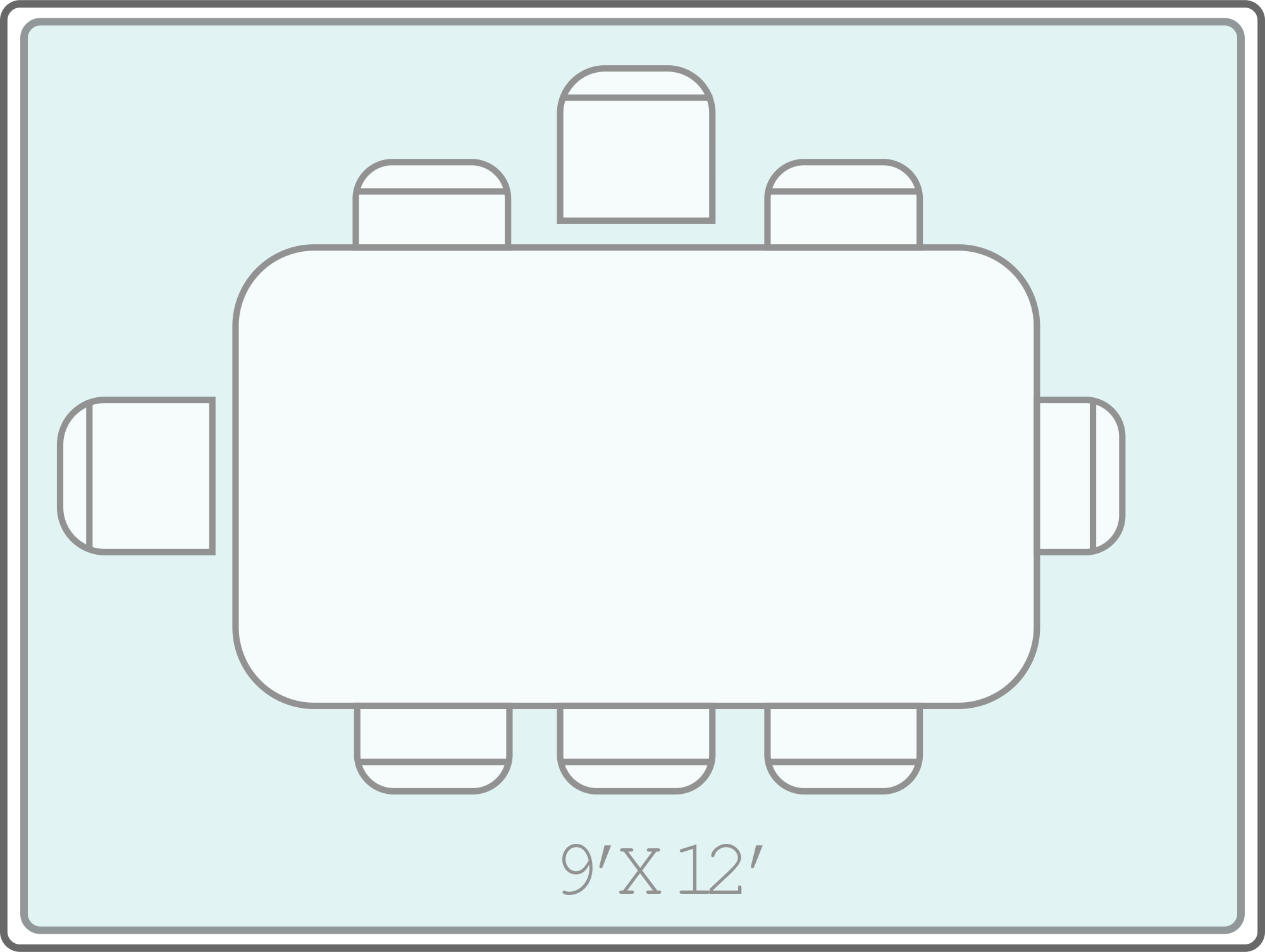 Rectangle
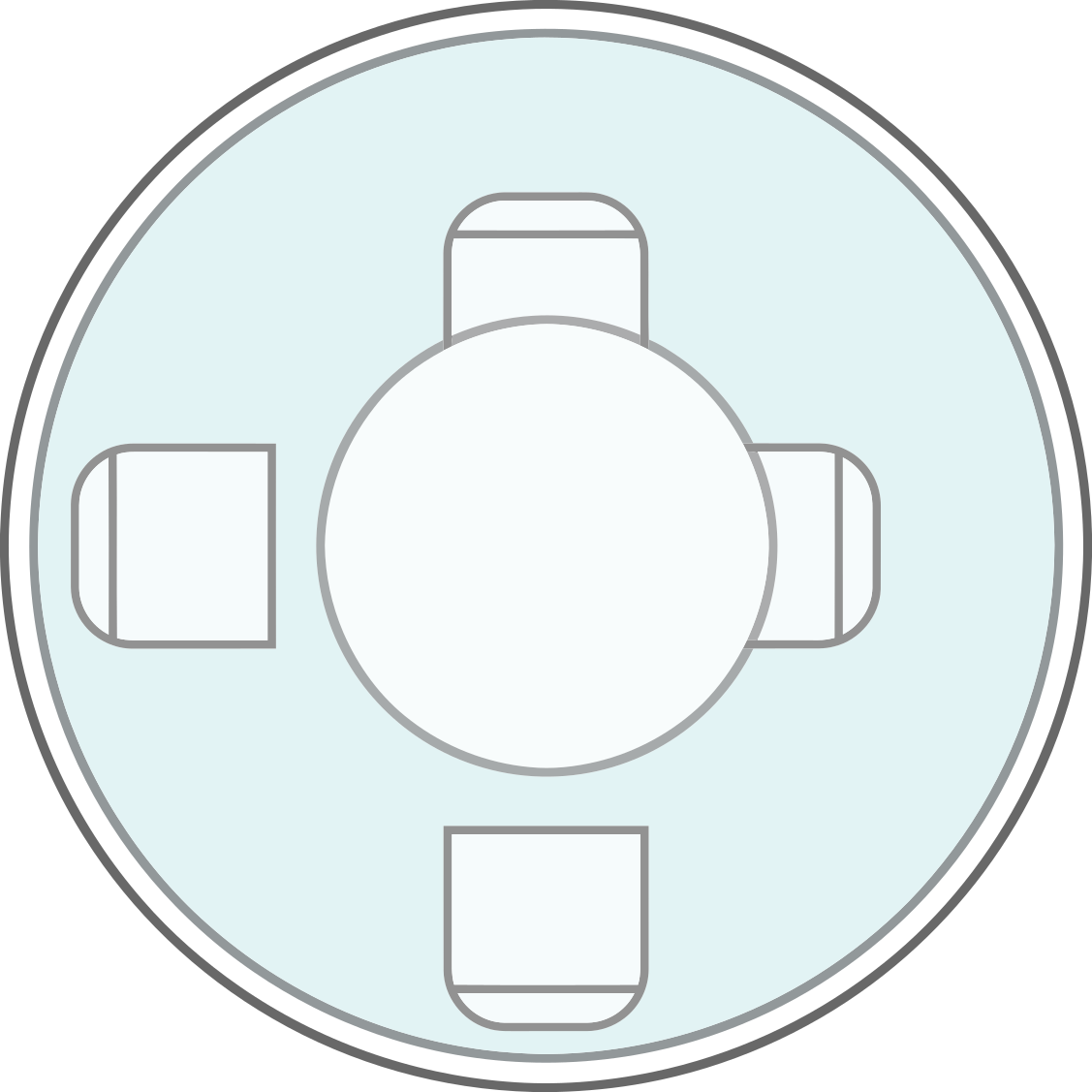 Round
Round
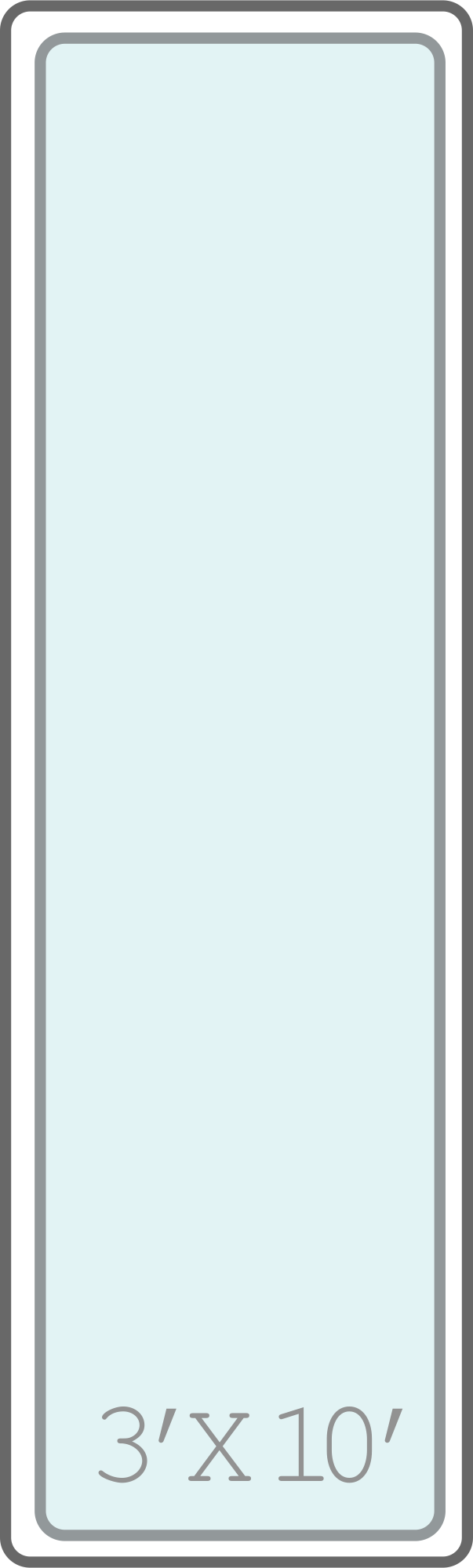 Runner
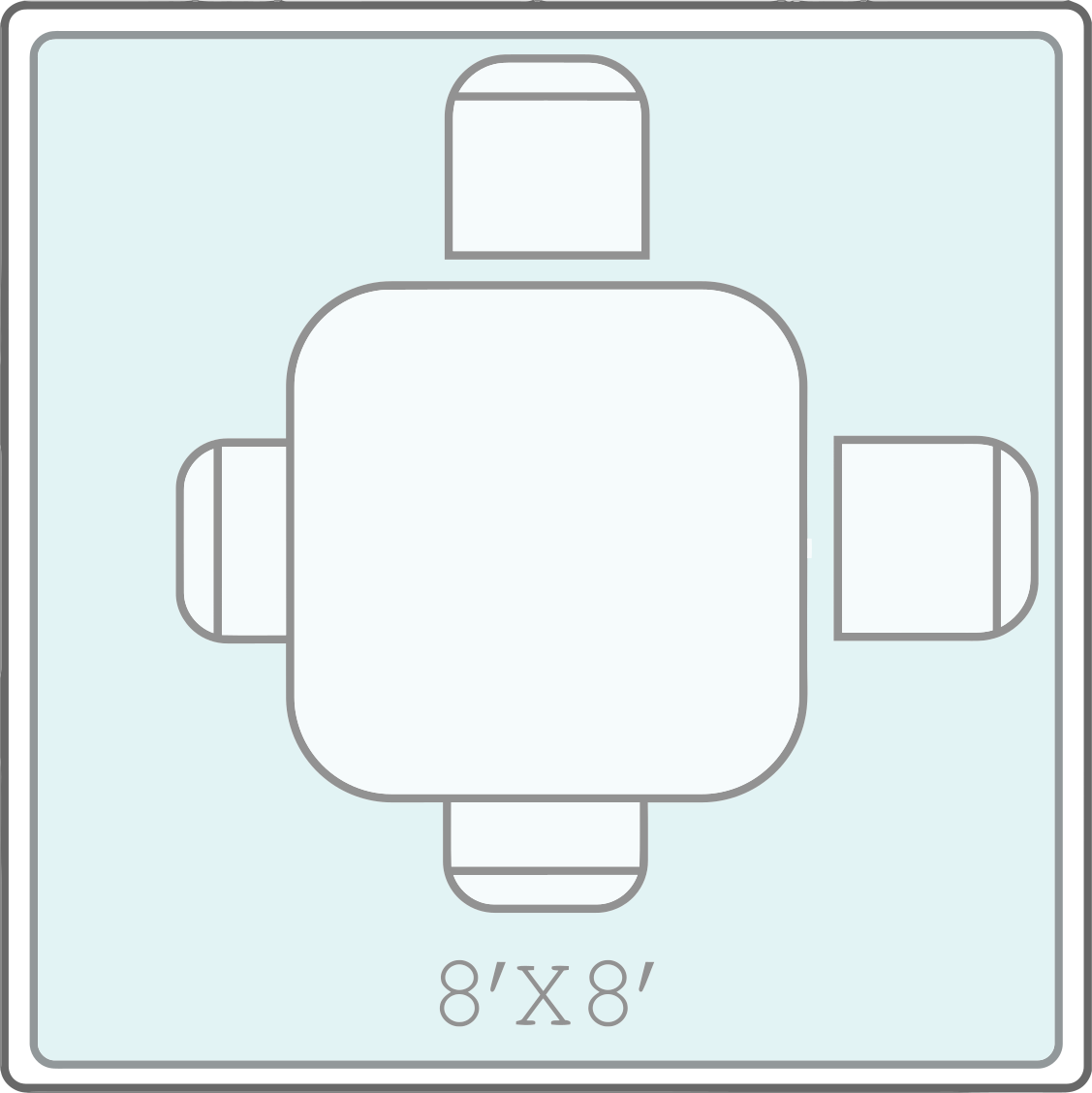 Square