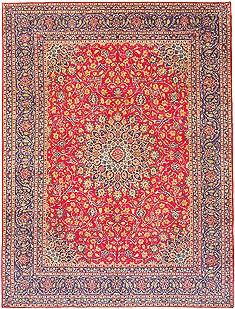
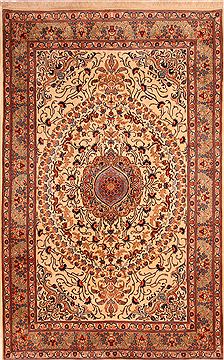
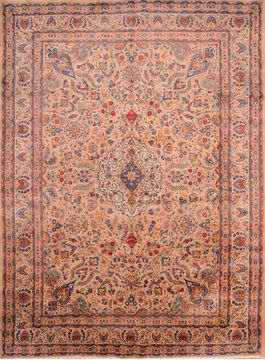
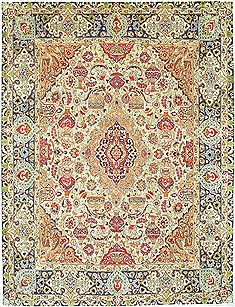
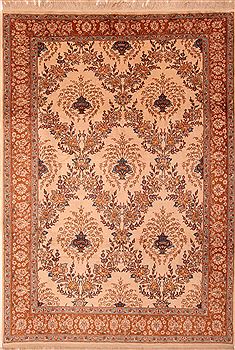
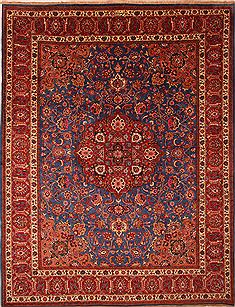
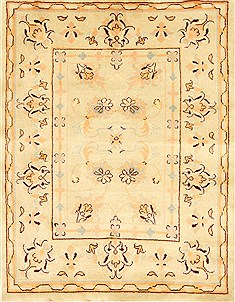
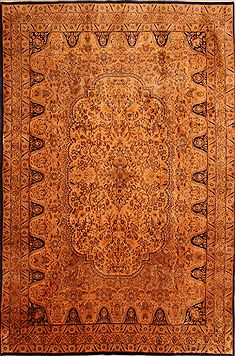
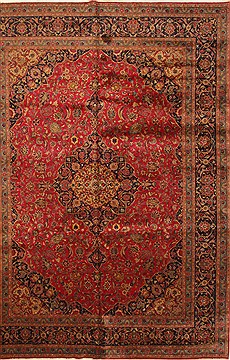
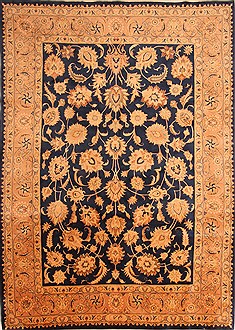
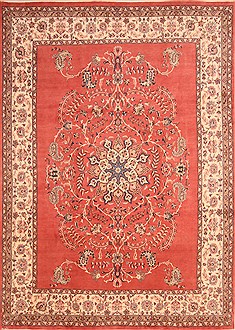
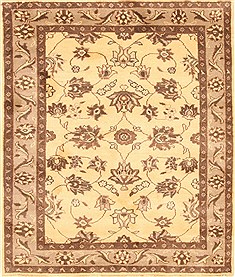
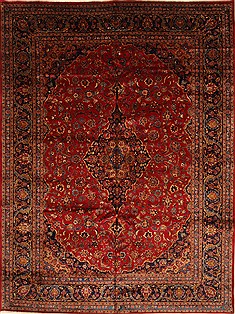
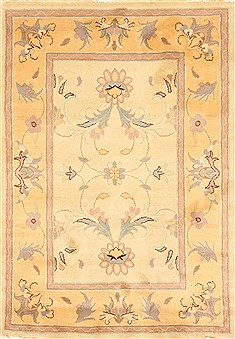
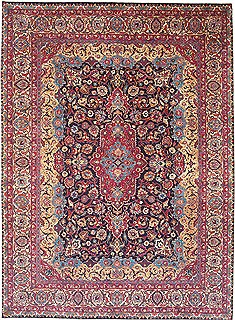
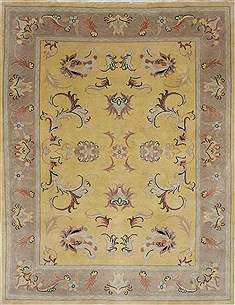
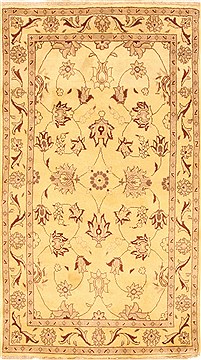
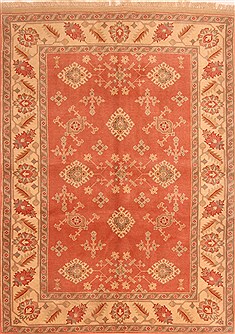
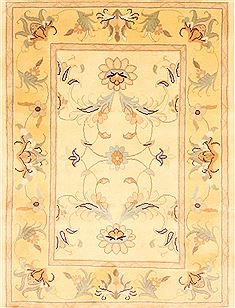
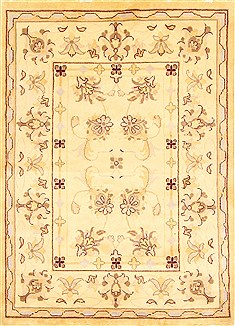
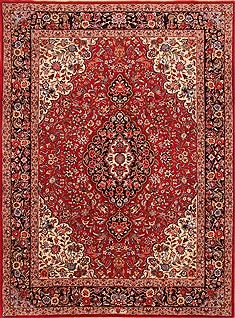
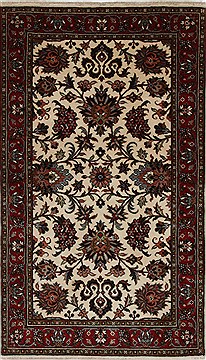
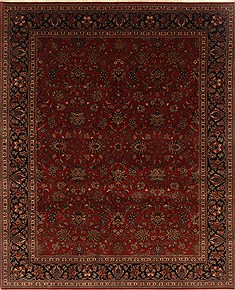
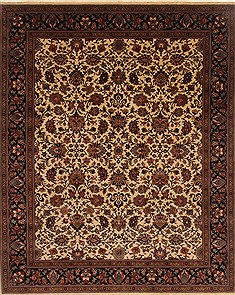
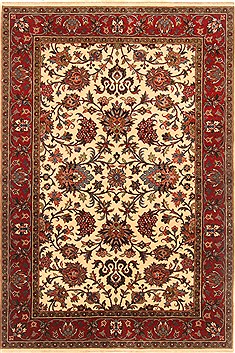
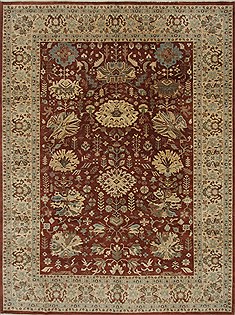
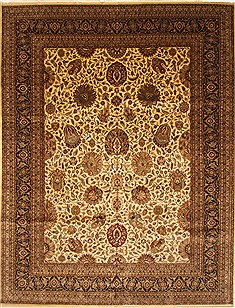
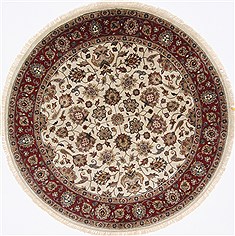
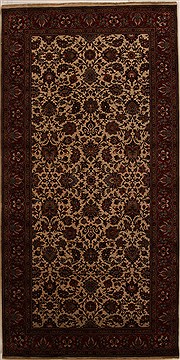
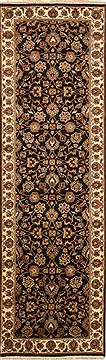
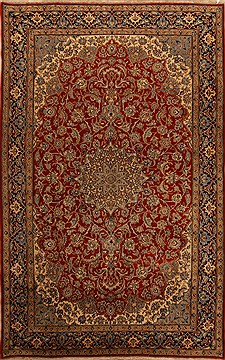
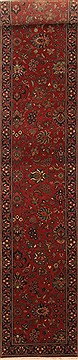
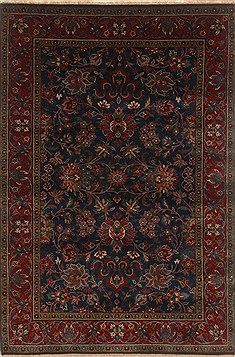
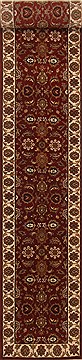
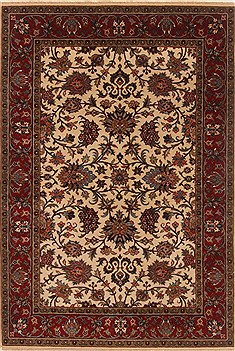
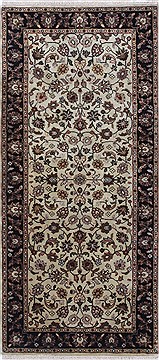
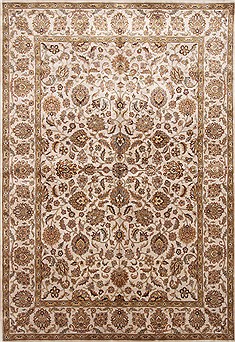
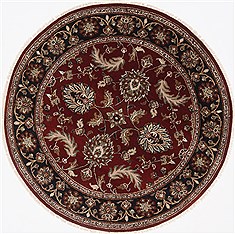
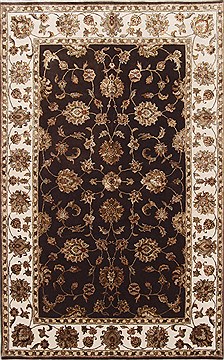
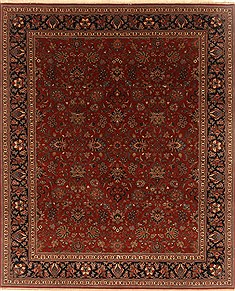
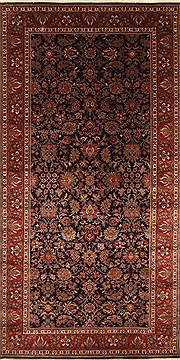
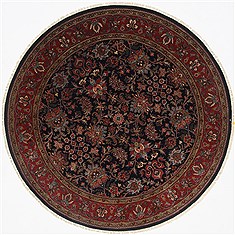
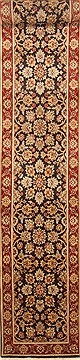
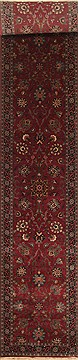
Kashamr rugs are known to what heaven looks like. They are among the most popular hand knotted oriental rugs and very much desired by rug lovers and collectors. Rugman.com offers the most comprehensive collection on Kashmar area rugs.
The kashmar Persian rug is a very rare rug which is not made as much these days. Handmade by master craftsmen and women living in the province of Khorassan, which is in Northeastern Iran, these rugs are very unique. The actual city of Kashmar is a very old city, and responsible for producing exquisite carpets for centuries. The Kashmars are easily distinguishable because of their large size, and their unique patterns. The patterns are usually pictorials that tell the story of a significant occurrence or entity in Persian history. These could be the pictures of an ancient and respected Persian king, or just an attempt to show the Persian love for beauty at its greatest, nature. The Kashmars are extremely durable and will last a very long time increasing with elegance as with age.
The Persian province of Khorassan is the biggest province in Iran. It stretches along the northeast of the nation. Many beautiful rugs come from this area of Iran. The capital city is Mashad, which is also where most of these rugs are marketed everyday. Some other rug producing centers in this region are Kashmar (Turshis), Mood, Sabzevar, Ghain, and Birjand, most of which are situated very close to Mashad. Many Baluch type rugs are also woven in this province by Baluchi nomads who inhabit the areas more to the south. In 1722 there was an Afghani Invasion into Iran. This left the country in a state of political confusion for many years, and the rug industry in a state of disorientation, especially in well established areas such as Mashad. However, despite the mass invasion, Khorassan along with many other regions were able to get back on their feet and so the rug industry started up again as the royal courts of Iran did everything in their power to bring this great art back home. Many times, Kings of Iran such as Shah Abass would seize and destroy low quality carpets and those with inferior coloring techniques to make sure the integrity of this ancient Persian art wasn't lost.
There are many grades of handmade rugs produced in this vast Persian province of Khorassan, ranging from medium to fine. All however are very sturdy and indestructible. The carpets woven inside of the cities, such as Kashmar, Mashad, Mood, Sabzevar, and Birjand are usually better quality than those woven by the nomads in the area. Although it was originally the nomads who wove these rugs for their own use, the cities adapted the talent and perfected it into an art. Almost every color can be seen in various rugs of this type. Almost all of these rugs have a pile of all wool, and a foundation (warp and weft) of cotton. In extremely rare cases, silk may be seen in these rugs as part of the pile, foundation, or the entire carpet might be made of silk. That is very unlikely unless you are dealing with much older pieces from a couple of centuries ago. The wool however, is very lustrous and soft and is exclusive to the people of Khorassan. This fine wool, along with beautiful designs and genius craftsmanship, combine to produce these exquisite carpets.
(9'11" x 12'8") Persian Kashmar
SKU 100-14733
(9'11" x 13'3") Persian Kashmar
SKU 100-76322
(10'1" x 12'9") Persian Kashmar
SKU 100-23930
(9'9" x 13'1") Persian Kashmar
SKU 100-27991
(9'7" x 13'2") Persian Kashmar
SKU 100-14743
(8'4" x 11'4") Persian Kashmar
SKU 100-21170
(9'10" x 15'8") Persian Kashmar
SKU 251-15661




Be the first to know about new designs and
exclusive offers, and get up to
10% OFF
your first purchase
Rugman since 1998 | The first and oldest online rug store
You can unsubscribe with a single click. We value your privacy; click here for more info.
You have one more step to join
Rugman Insider Club.
A coupon code will be emailed to you.
Please check your email and just
click the green “Confirm Subscription” button.



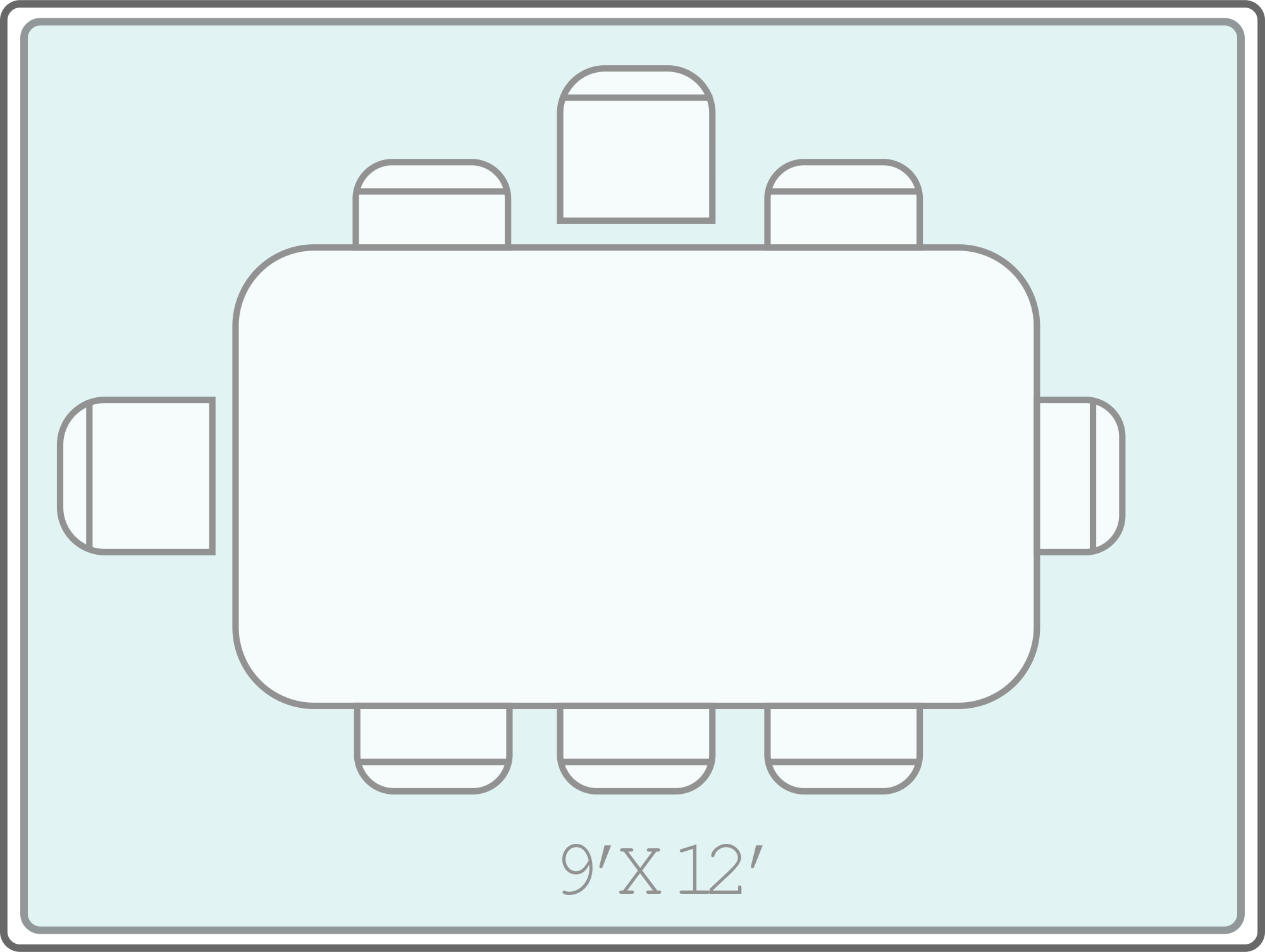 Rectangle
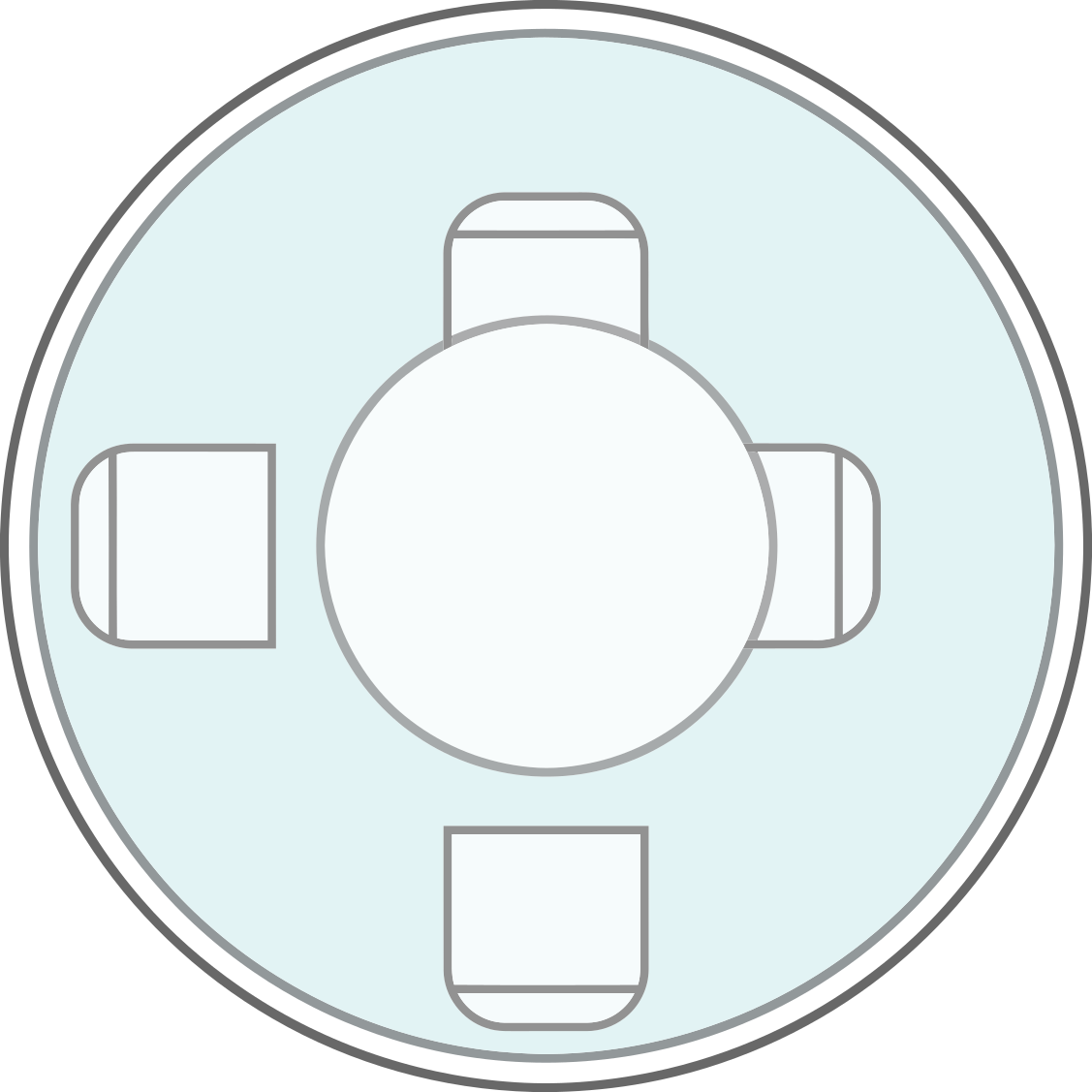 Round
Round
 Runner
 Square