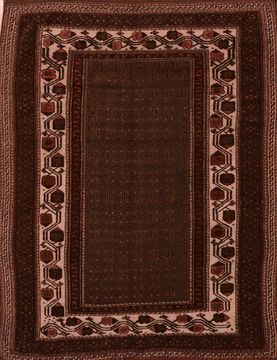
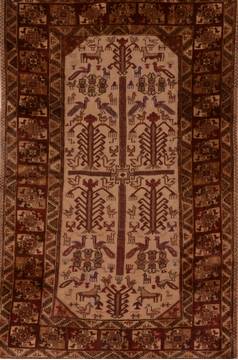
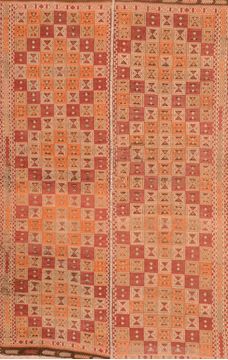
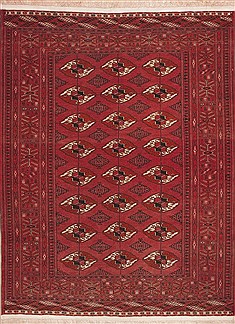
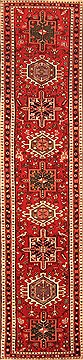
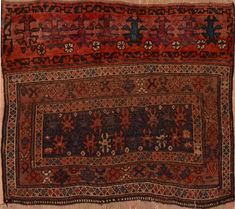
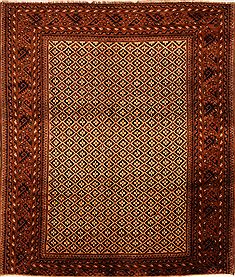
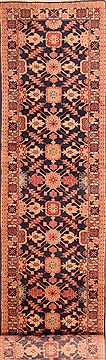
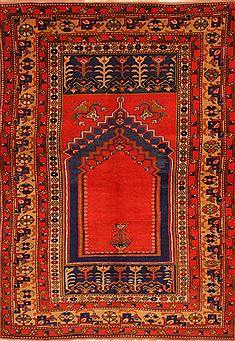
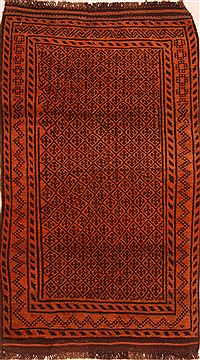
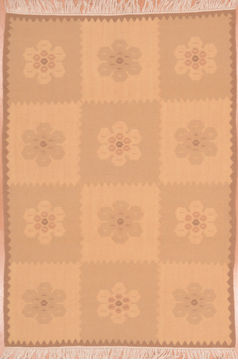
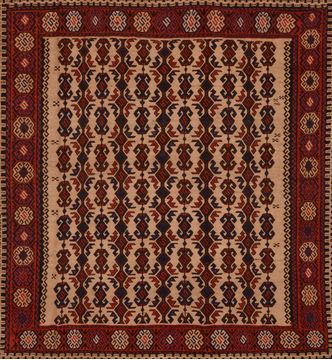
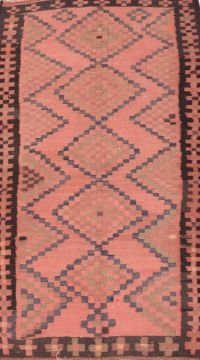
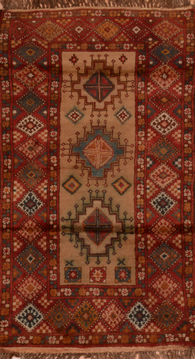
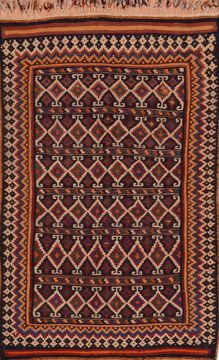
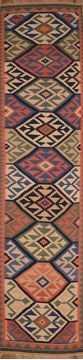
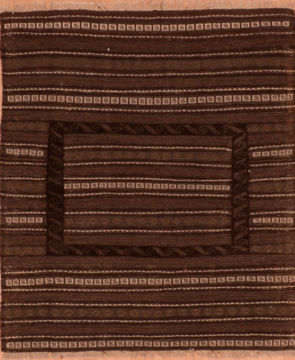
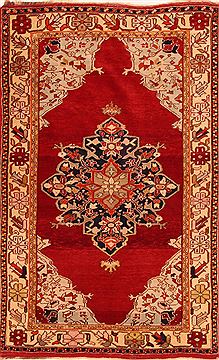
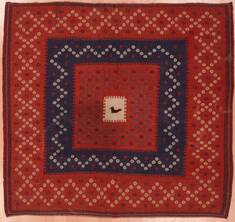
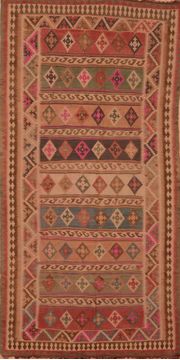
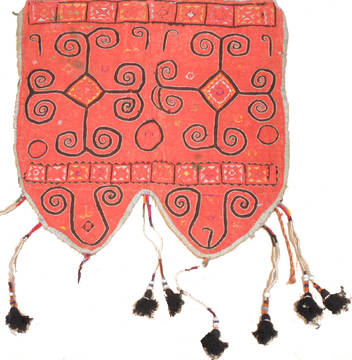
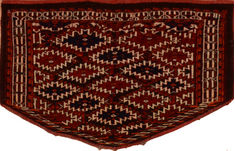
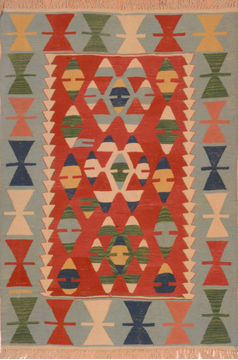
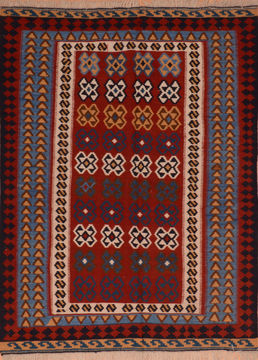
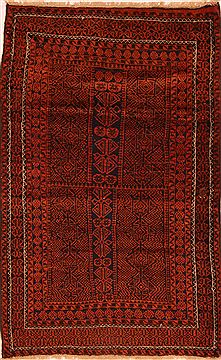
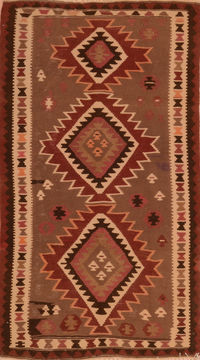
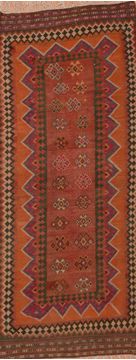
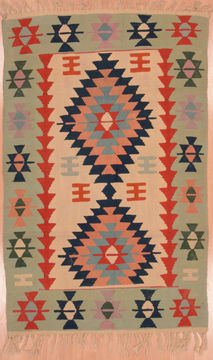
Tribal rugs feature vibrant colors that are as rich as their history. The first tribal rugs were hand knotted by nomadic or tribal women all over the world with a very practical purpose -- staying warm. Over time, they evolved into beautiful hand knotted and meticulously crafted conversation pieces which complement personal and professional spaces. If you look closely at our collection of tribal rugs, you will see tribal symbols and patterns influenced by the historical period woven into each rug. If you are interested in colorful, durable rugs, our Gabbeh rugs also offer many options that just may be right for you.
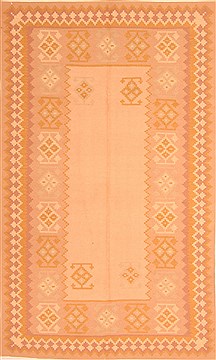
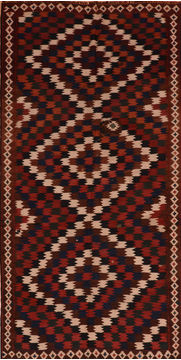
(9'1" x 16'1") Persian Qashqai
SKU 100-25746
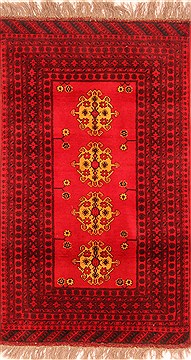
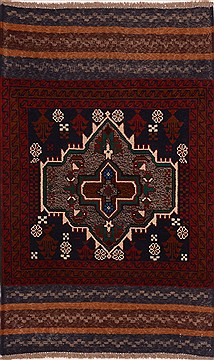
(2'2" x 3'5") Afghan Khan Mohammadi
SKU 100-110945
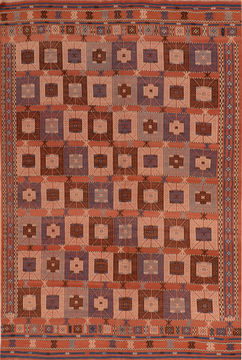
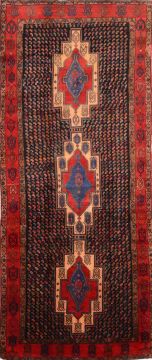
(6'7" x 10'8") Afghan Khan Mohammadi
SKU 100-110111




Be the first to know about new designs and
exclusive offers, and get up to
10% OFF
your first purchase
Rugman since 1998 | The first and oldest online rug store
You can unsubscribe with a single click. We value your privacy; click here for more info.
You have one more step to join
Rugman Insider Club.
A coupon code will be emailed to you.
Please check your email and just
click the green “Confirm Subscription” button.



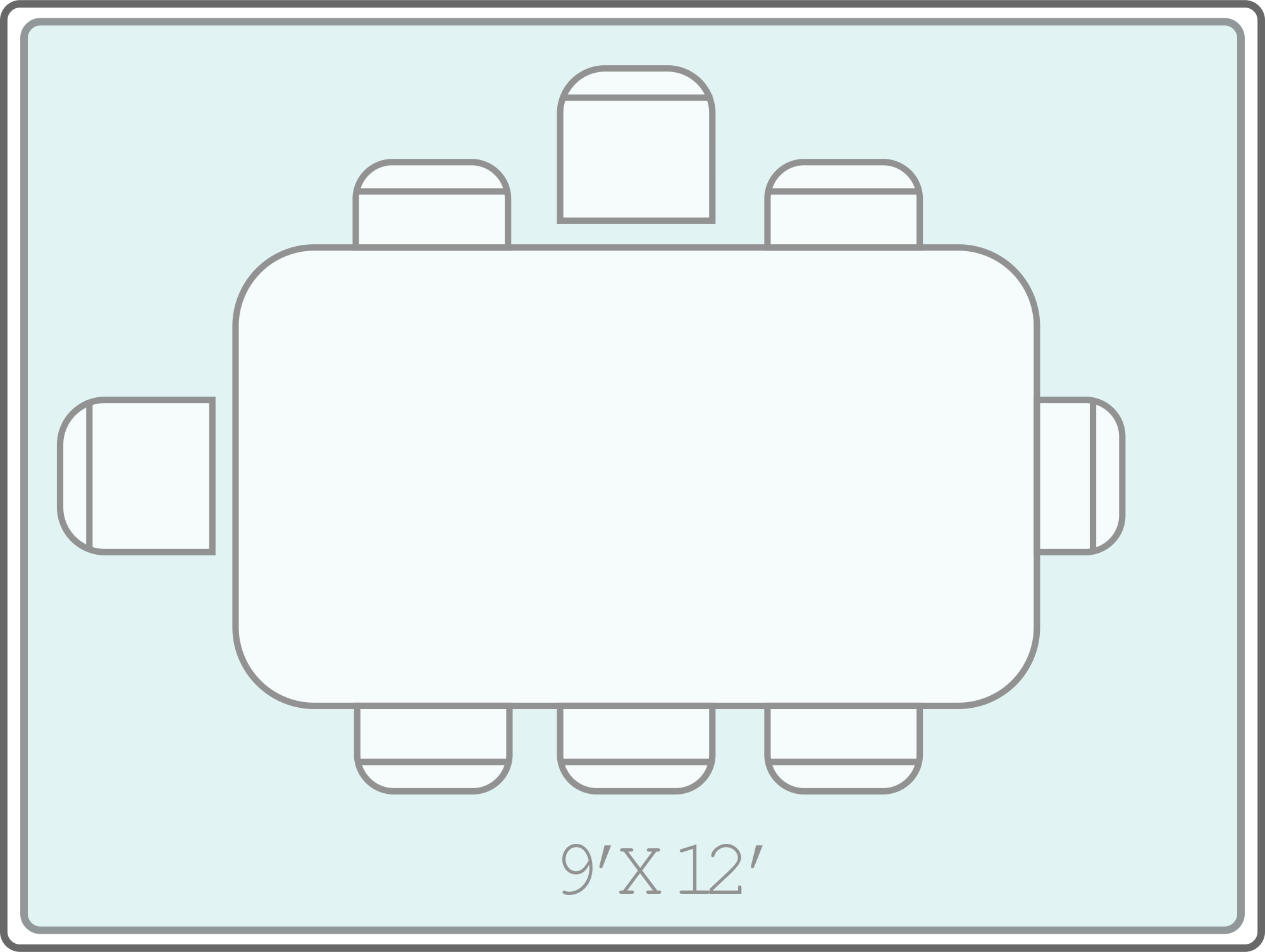 Rectangle
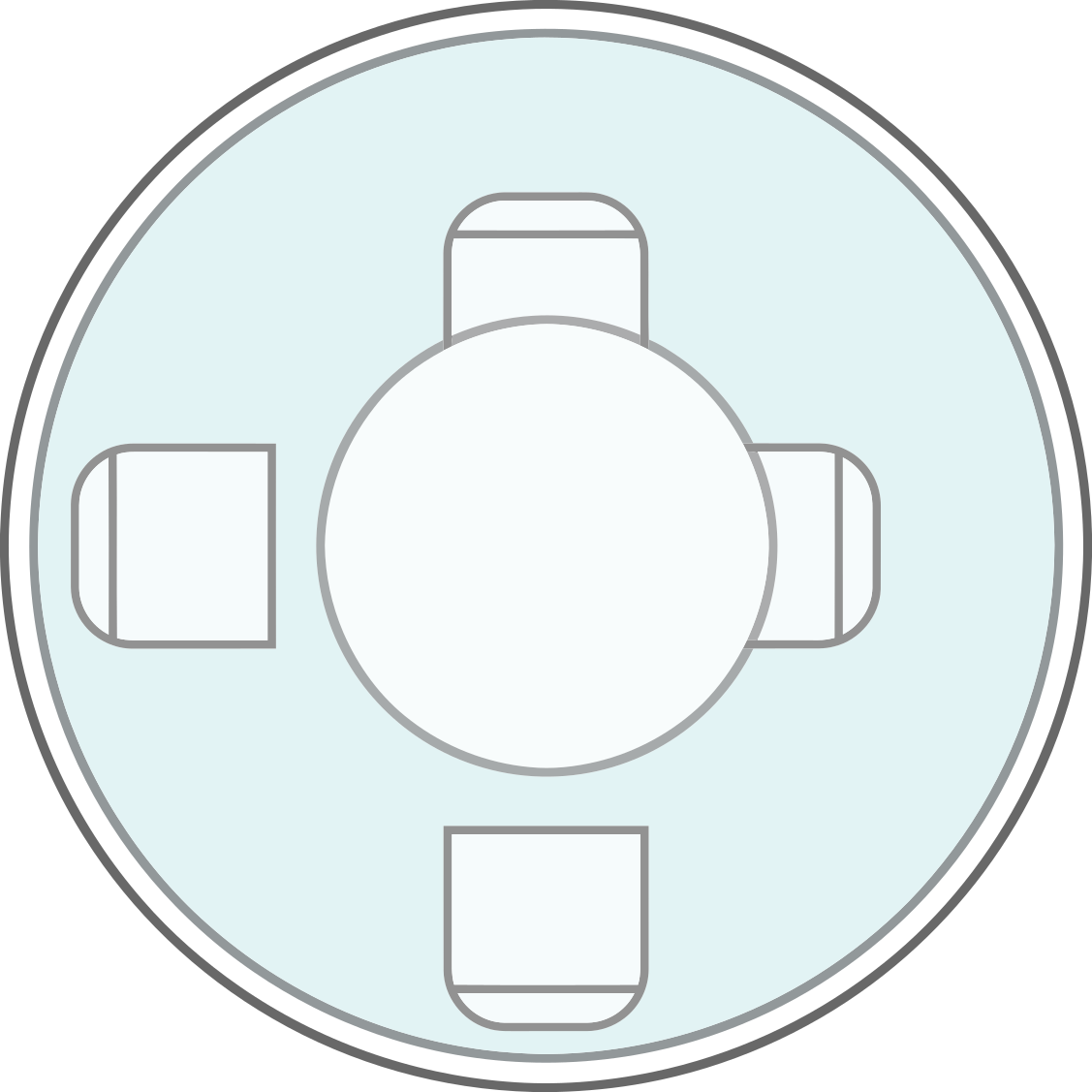 Round
Round
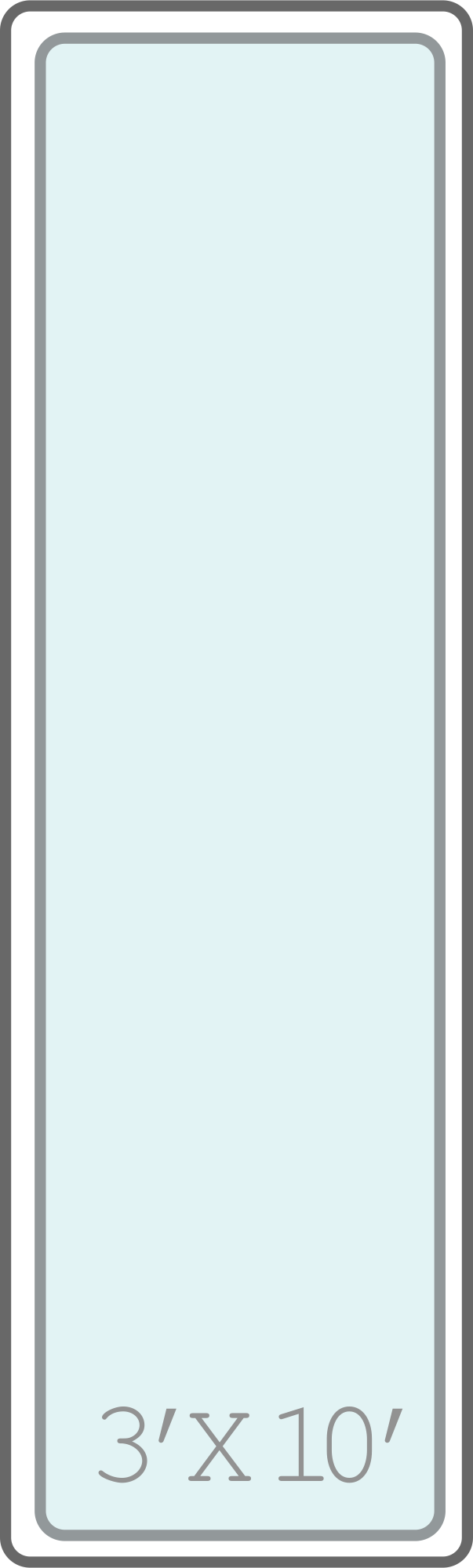 Runner
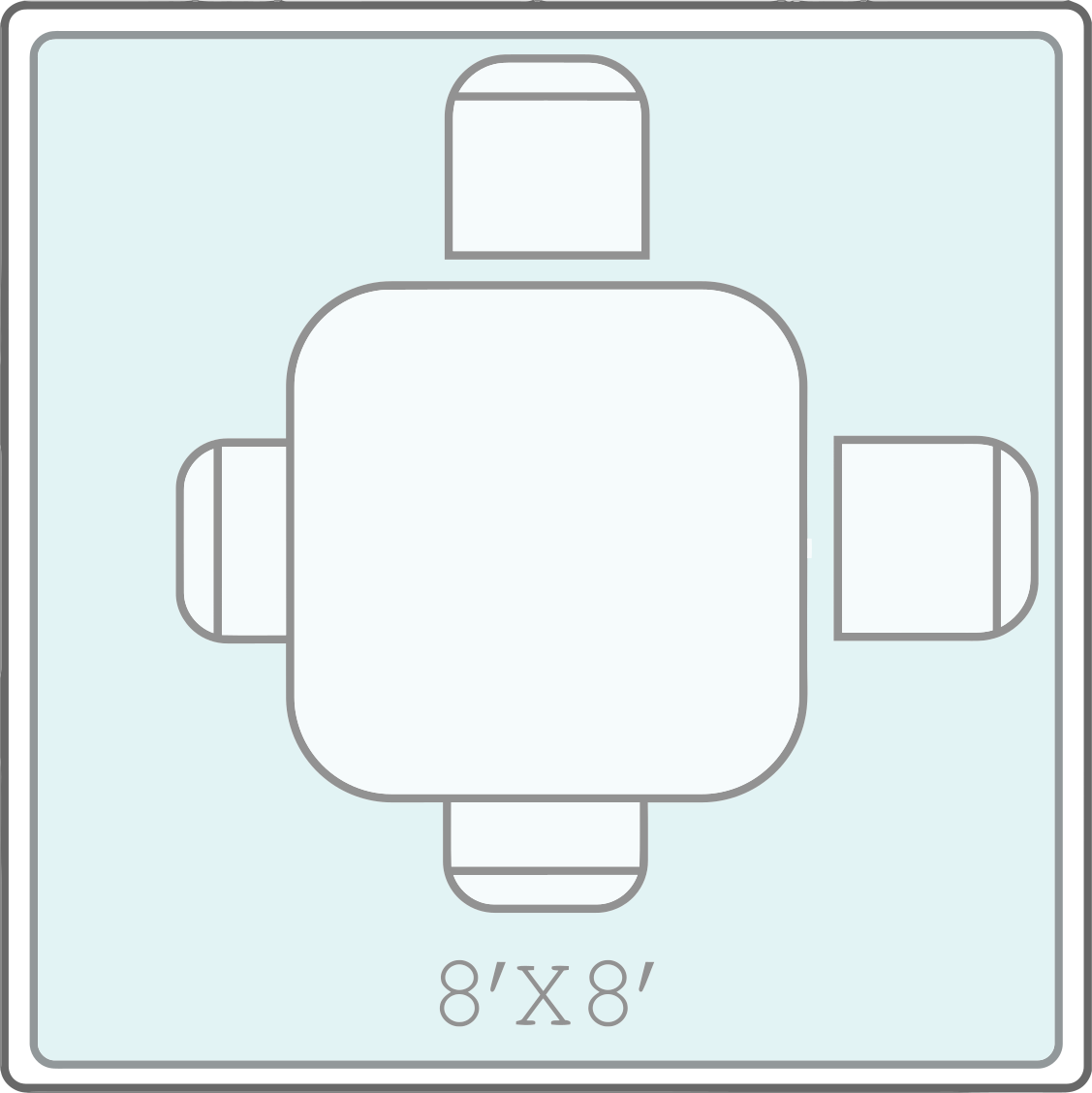 Square