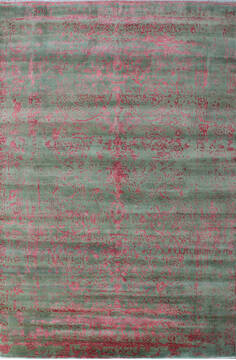
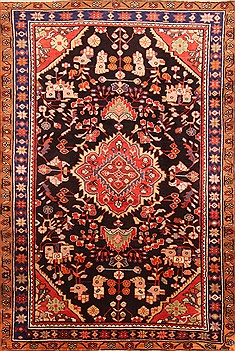
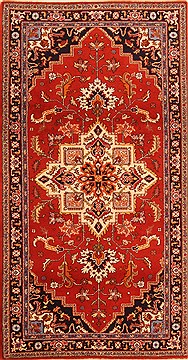
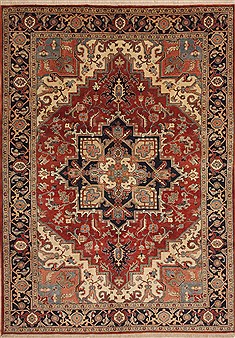
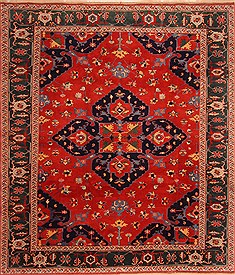
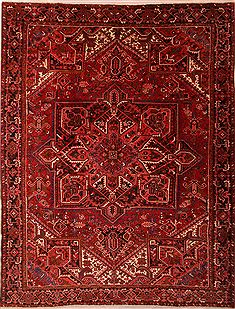
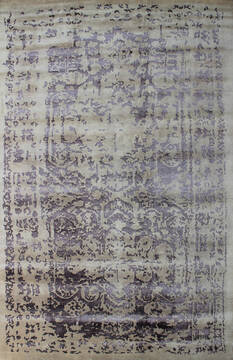
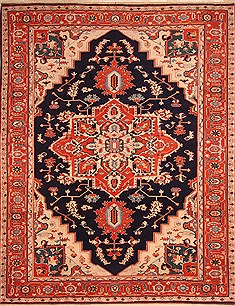
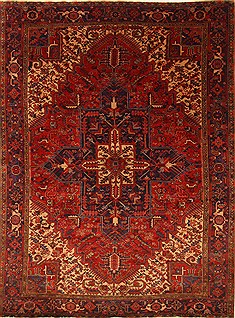
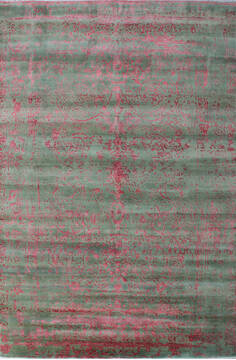
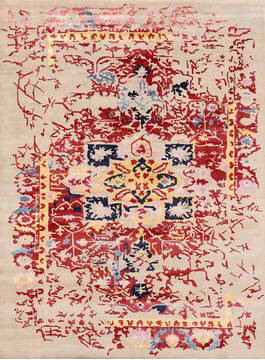
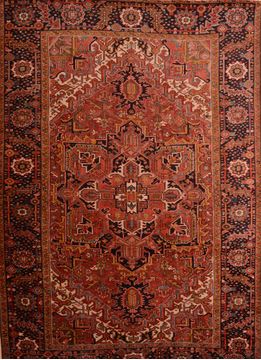
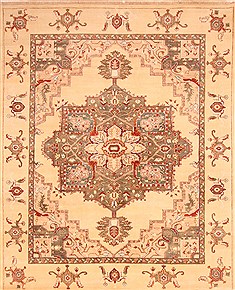
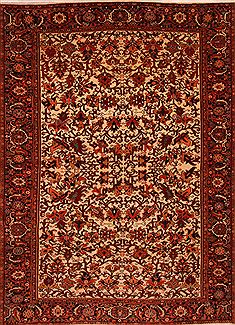
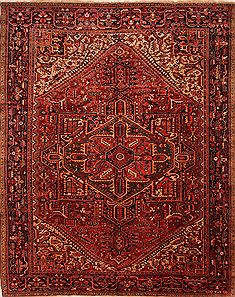
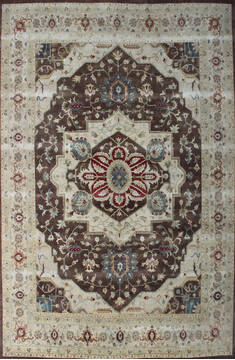
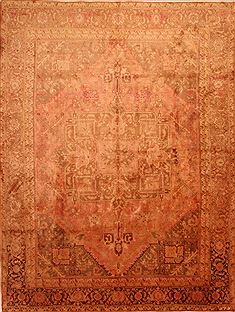
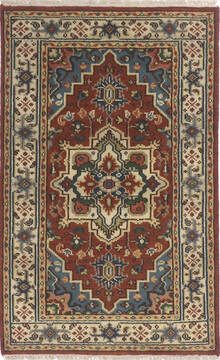
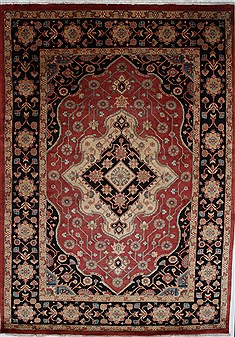
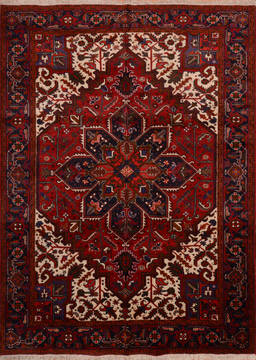
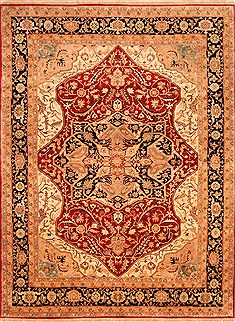
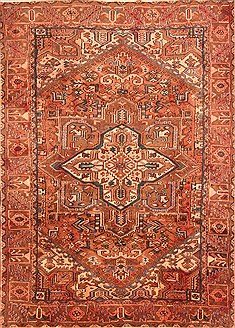
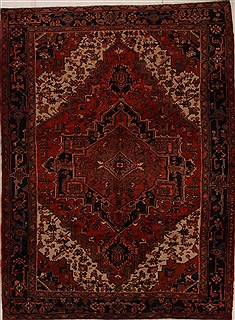
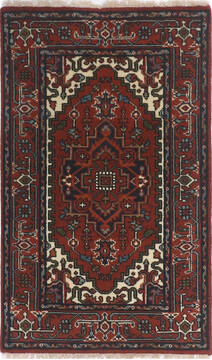
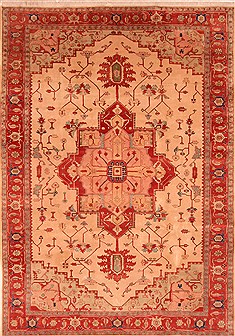
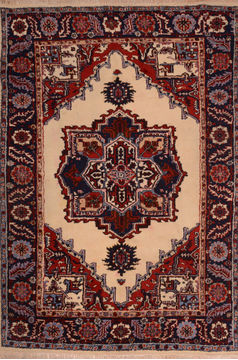
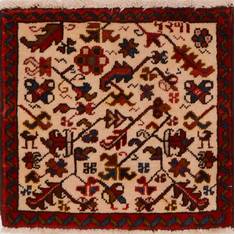
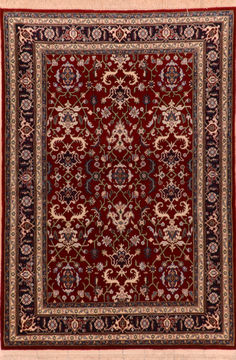
Heriz area rugs are among the first categories of Persian hand knotted rugs that Western people fell in love with. Through a time period of nearly 200 years, Heriz Persian rugs have been a favorite choice of Europeans and Western rug enthusiasts. Heriz area rug can be a very tasteful choice particularly for large living rooms or dining rooms, or study rooms in a traditional home interior design. With its rich colors and Tribal and geometric designs, Heriz rugs can provide a homey environment and highlight the class and fine taste of the users.
Heriz carpets are tribal hand-woven rugs produced by Azerbaijan Turkish inhabitants of the city of Heriz in Northwestern Iran. They are famous among designers because of their soft earth tone colors and geometric pattern. While no two Heriz carpets are identical, they generally tend to have a recognizable similarity. Most have a large central medallion embedded within a lighter field, and the main color scheme of the rug is usually some shade of rust. Rugs made in this area are highly prized for their marvelous design and sturdiness. Their charm lies mainly in the balance of the colors. Today, some of the largest carpets produced in Iran are from Heriz. Smaller sizes are rare for this group. The richly textured pile of Heriz rugs is deep and robust and the theme isn't too overwhelming. The Authentic Heriz Persian rug is an excellent floor piece that will look beautiful for an infinite number of years.
This ancient region of Iran is very renowned for rug weaving. It has a rich history that dates back a long time. Here, in these rugged and mountainous conditions, much like many other parts of Iran, almost all the men and women have the talent and skill to weave high quality carpets by hand, with no use of modern technology whatsoever. In some cases, rug weaving is the family's main source of income. They trade the rugs in nearby cities with local merchants for staples and necessities of the home. A few regions and towns that are included in this Turkish region of Iran are Ardabil, Bakhshaish, Gharadjeh (Gharabagh), Goravan, Heriz, Mehriban, Sarab, and Shahsavan. Their weaving style originates partly from Mongols who invaded Iran in the 13th century, and settled the northwest. This historic region of Iran and some parts of Turkey and Uzbekistan have really been significant in the forming of the present day carpet industry. Carpet weaving has long been a custom of theirs and they continue to weave them everyday.
This ancient region of Iran is very renowned for rug weaving. It has a rich history that dates back a long time. Here, in these rugged and mountainous conditions, much like many other parts of Iran, almost all the men and women have the talent and skill to weave high quality carpets by hand, with no use of modern technology whatsoever. In some cases, rug weaving is the family's main source of income. They trade the rugs in nearby cities with local merchants for staples and necessities of the home. A few regions and towns that are included in this Turkish region of Iran are Ardabil, Bakhshaish, Gharadjeh (Gharabagh), Goravan, Heriz, Mehriban, Sarab, and Shahsavan. Their weaving style originates partly from Mongols who invaded Iran in the 13th century, and settled the northwest. This historic region of Iran and some parts of Turkey and Uzbekistan have really been significant in the forming of the present day carpet industry. Carpet weaving has long been a custom of theirs and they continue to weave them everyday.
Because Heriz has a cold climate, most people keep farm animals, therefore, a significant amount of fine wool is produced in Heriz. One of the appropriate ways of making use of this wool is weaving hand knotted rugs, creating jobs and income for the families. Also long winters in Heriz make rug weaving a good choice of winter job during which people are indoors and near the fireplaces and does not require much outside work.
Heriz rugs became very popular among the Europeans and Americans because of the use of vegetable dye and their famous blush red colors. The area of Azerbaijan in general is covered with huge number of plants, vegetables, seeds and roots, which are used for dyeing the wool.
Beside the fact that each vegetable or flower may have a distinct color, Persians from earlier times have learned to create many more colors from the combination of these plants and sometimes using different sulfates to create their desired colors. Certain flowers if boiled create different tones of colors depending at what temperature and the length of time that they are boiled. Also the same plant or flower will make different colors if they are boiled fresh or after being dried.
Certain flowers create different tones of colors if they are boiled with or without their roots. Particularly about the red color that is taken from a root called Ronas (madder roots), there is a special treatment that can create numerous shades of red to soft pink depending on how long they are kept in a sour yogurt shake and the sourness of the yogurt.
The most popular colors in Heriz carpets are dark navy, deep brown, ronasi red created by madder roots, copper color, which is often the most dominant in the Heriz rugs, dark green. Some of the plants and roots that are used in Heriz area rugs are, zelir, sari-chichak, tolookh guli, the flowers of which is used for blue colors and the root is used for creating brown color, onion peel, gharah choob, calkateh neel, davah ghulaghi, ishghavan roots and many more local plants.
Diversity of colors used in Heriz rugs are limited and unlike most colorful Persian rugs they are often dominated by few colors and are very easy to match with most home settings particularly where there is a lot of wood work. Heriz area rugs are very consistent with the western fashion taste and matching the fewer colors with traditional setting is an easy task. There is little contrast in colors of Heriz handmade rugs and often colors blend very smoothly making it as harmonic as a fine music.
Most Heriz rugs have geometric designs and often with a medallion in the center. The medallion sometimes is distinct and separated with a contrasting colors form the background and sometimes has the same background as the entire rug and if not carefully examined, the medallion would not be noticeable from the rest of the patterns. There are also overall designs of asymmetrical patterns covering the entire rug.
Most of Heriz rugs are not woven according a plan. This however does not mean they use no plan, but the proper way of putting it, is that women who weave these Heriz rugs, have the entire plan in their mind and they follow it as the weaving process moves forward. That is why sometimes deliberate improvisations occurs in Heriz carpets and sometimes part of the plan is forgotten. All these factors contribute into creating unique and one of a kind pieces from the Heriz rugs.
This is not to suggest that no rugs are being made in Heriz according to pre-designed plans. A good number of Heriz rug weavers are indeed well-educated in reading and implementing the sophisticated fine rug plans and this goes as far as printing elaborate curves of Persian calligraphy in the rugs that looks as if they were written by calligraphy pens. Therefore, one can say that the two most distinct features of the Heriz rugs that people in the western world happen to love them both in the past and present is the use of unique rich colors and geometric nomadic-traditional designs.
The knots in Heriz rugs are Turkish knots and often double woof is used in the base of the rug after each row of knots. In terms of the density of the knots Heriz rugs are mediums to large knots and numbers of knots are not as high as Tabriz rugs. Sometimes certain rug dealers refer to Heriz Rugs as Tabriz which could be because of the close proximity of the two cities and the fact that both are located in the Province of Azerbaijan.
However, we do not think that reference is appropriate as rugs from both cities have their own distinct identities and cannot be mistaken. Therefore because one of these rugs could be more popular the other should not be a justification to confuse the consumers.
Most common sizes in Heriz Persian rugs are, 3x5, 4x6, 4x7, 6x9, 7x8, 7x10, and 9x13. However, as they are hand knotted rugs they could always be few inches less or more. Heriz rugs are made with cotton base and wool pile. They normally have longer pile than most Persian rugs, and are very heavy in larger sizes.
Most common shapes in Heriz rugs are rectangular and square and making round rugs and odd shapes is not common in Heriz rugs.
The question about the difference between Heriz and Serapi rugs has never been handled properly yet. Whether intentional or unintentional, dealers have always tried to mystify the origin of Serapi rugs. Serapi rugs are indeed from the same general area of Heriz and are made in a city that is now called Sarab in the map of Iran.
However the local people who speak Azari Turkish call it Serap meaning the headspring. Serap is indeed a larger city than Heriz and at the beginning of the century Herzi was considered a large village while Serap was a town. It has always been the case that the rugs weaved in the cities had a finer weave and quality of the wool comparing to rugs that were made in the villages.
Therefore the designs and motifs of both Serapi and Heriz rugs are the same and only the weave in the Serapi rugs are generally finer and the knot density is higher. Serapi rugs are still being made with higher quality than the Heriz.
However as we move forward in time, Serapi weavers shifted towards higher quality and standard and often employ Tabriz designs because those rugs are being sold for higher prices. Unfortunately now like most Persian rugs Serapi rugs are being copied by some other countries such as India and Pakistan and the mystification about their origin has continued.




Be the first to know about new designs and
exclusive offers, and get up to
10% OFF
your first purchase
Rugman since 1998 | The first and oldest online rug store
You can unsubscribe with a single click. We value your privacy; click here for more info.
You have one more step to join
Rugman Insider Club.
A coupon code will be emailed to you.
Please check your email and just
click the green “Confirm Subscription” button.



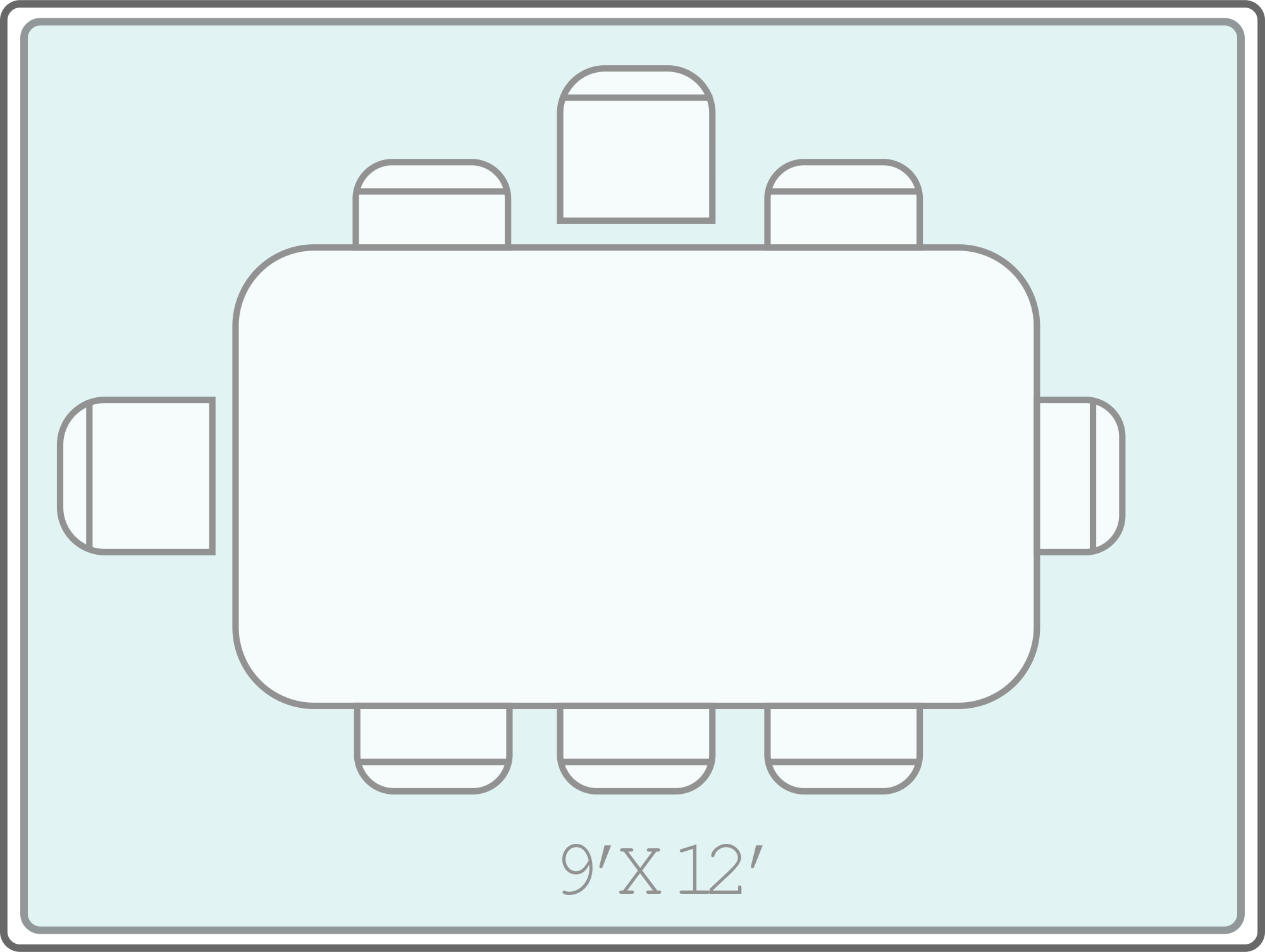 Rectangle
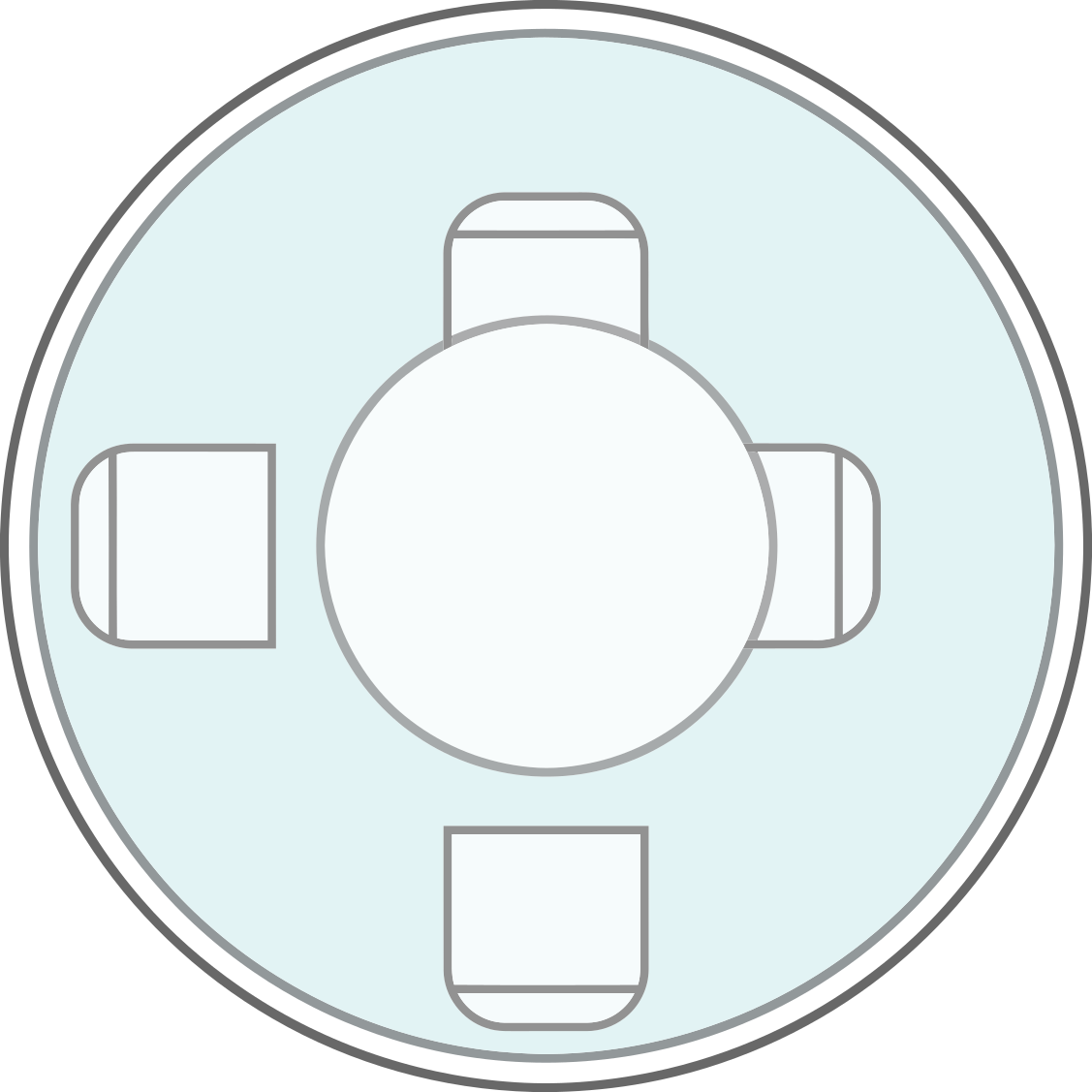 Round
Round
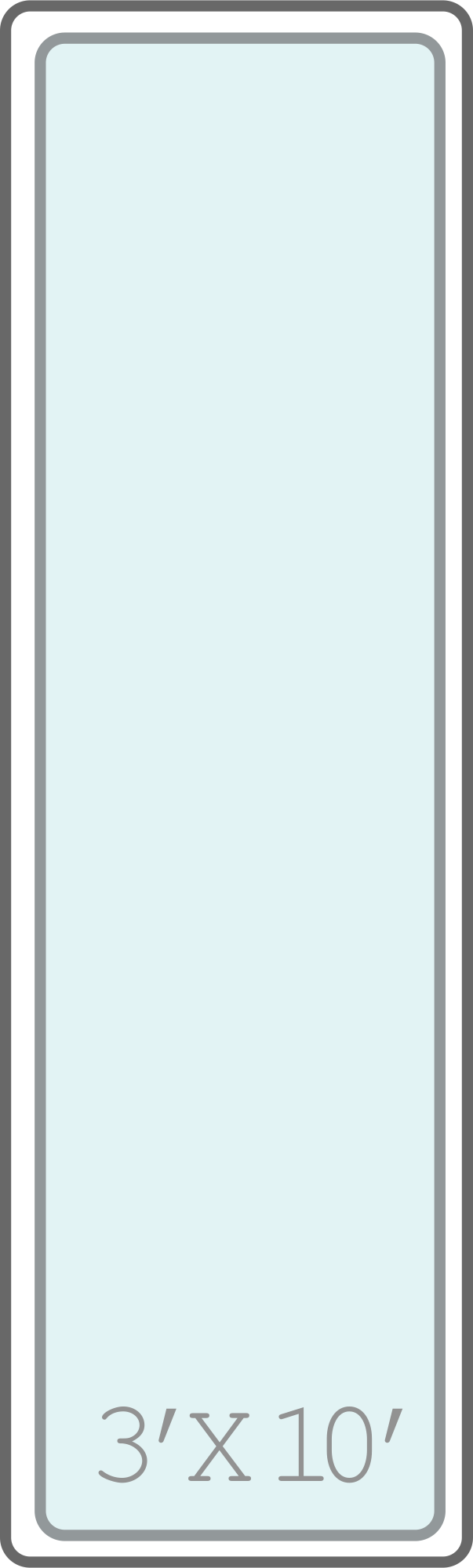 Runner
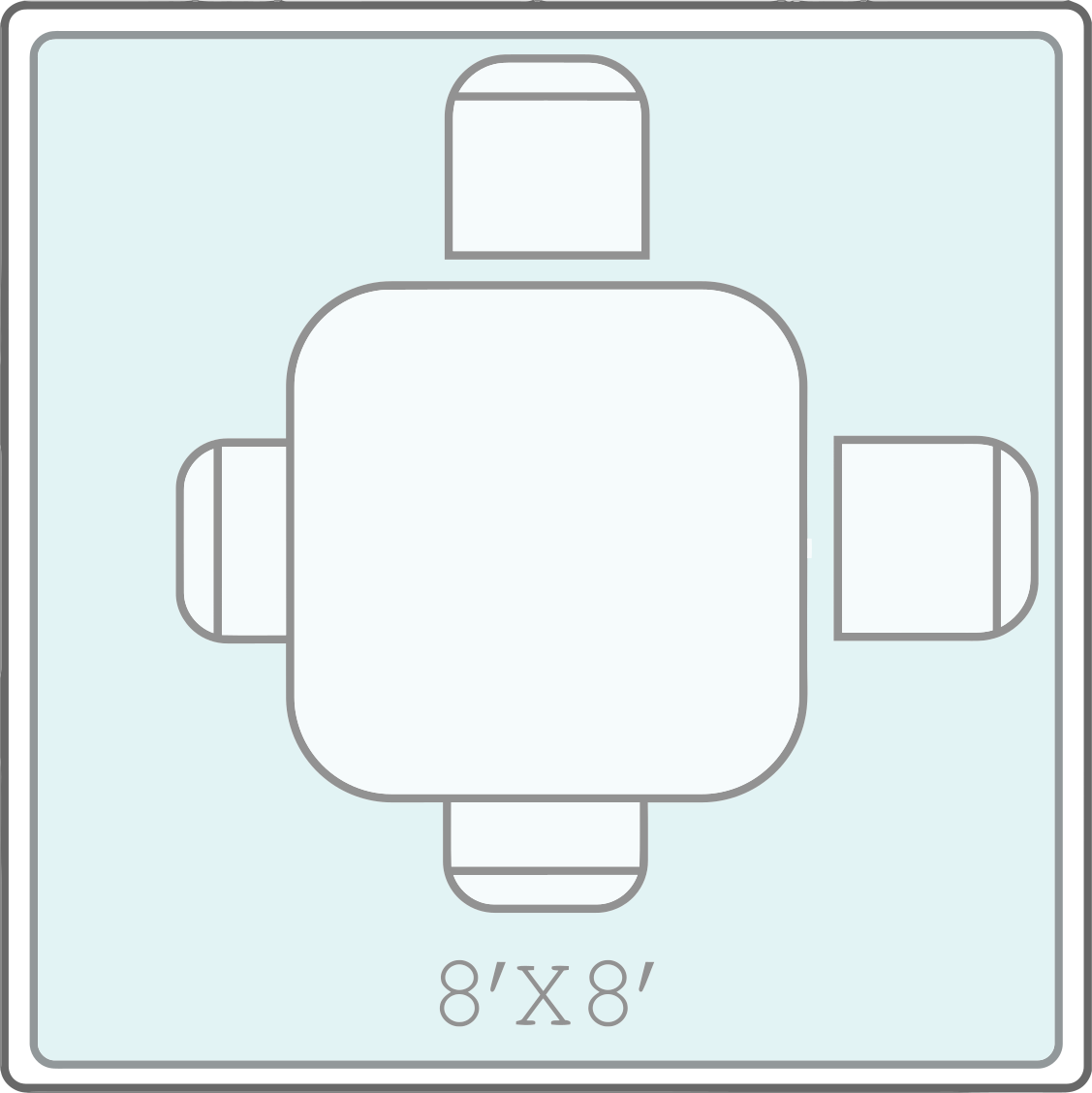 Square