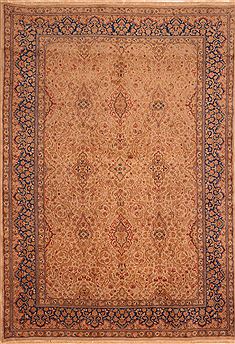
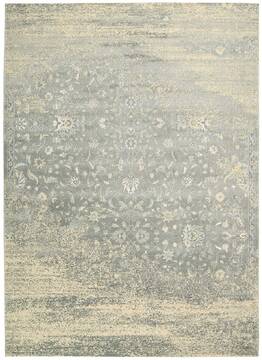
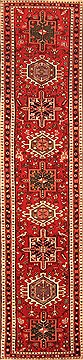
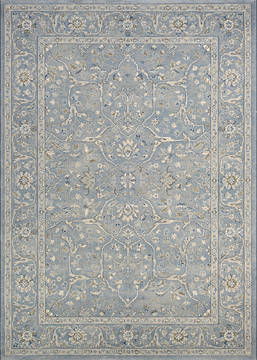
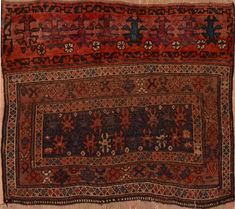
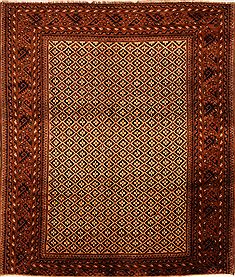
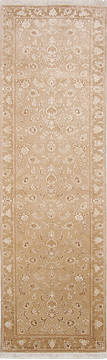
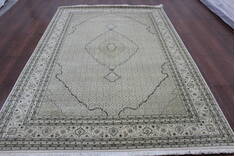
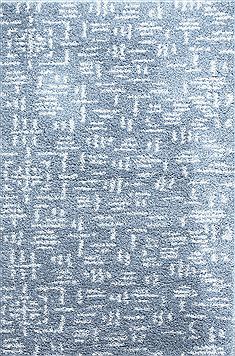
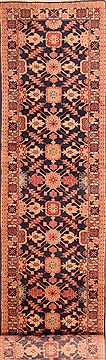
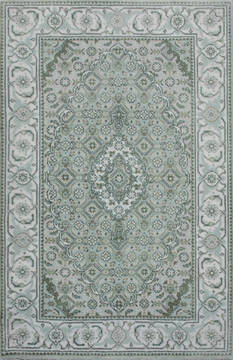
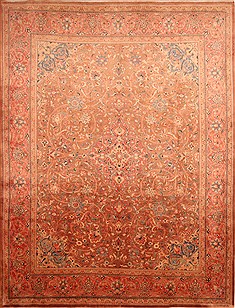
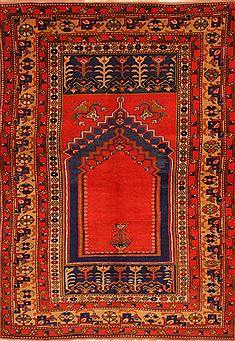
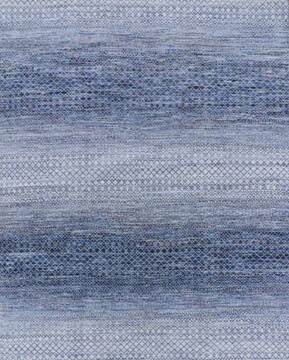
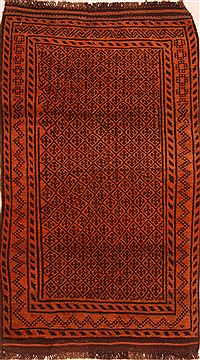
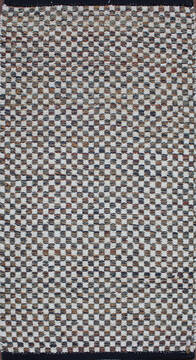
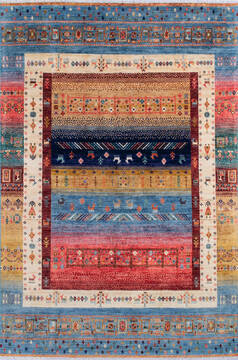
Boroujerd rugs originate from Boroujerd, a city in the Province of Lorestan in western Iran, where some of the finest tribal traditional rug weavers can be found. The Province of Lorestan is also where the famous Lori tribal rugs are woven. For reasons that have yet to be explained, Boroujerd rugs do not resemble a Lori rug. Instead they are clearly influenced by the traditional rug weaving designs of Malayer. The skilled artisans in Boroujerd ply their craft with great attention to detail, diligently tying the asymmetrical Persian knot. In order to produce a superior quality traditional rug, it is quite common for a highly skilled weaver to spend months devoted to producing a single rug.
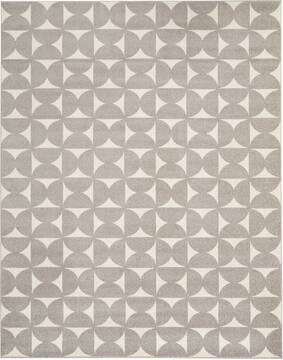
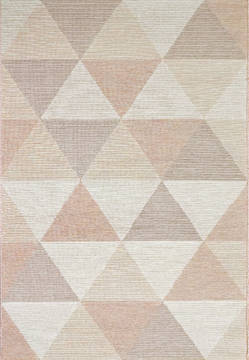
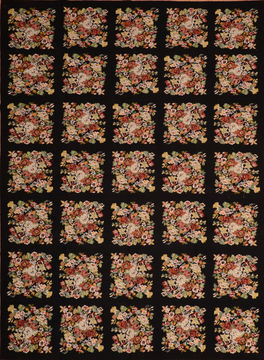
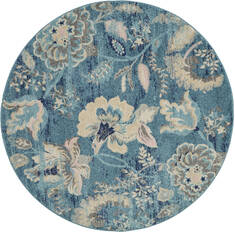
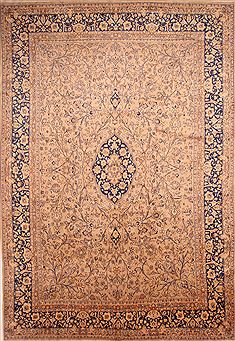
A Boroujerd rugs are most often seen with the famous Boteh design. Boteh is the Farsi word for immature flower or palm leaf. Its other interpretations include a cluster of leaves, paisley, flame, tear drop, pine cone, pear, and tree. The Boteh design on a traditional rug frequently covers the entire field as a repetitive all-over pattern. A Boteh design from Kashmir shawls was copied in the early 19th century in Paisley, Scotland. This accounts for the reason that paisley is one of the accepted interpretations of the Boteh. In addition to the Boteh, Boroujerd rugs will also be woven with floral designs. Navy blue, red, burgundy, and ivory are the colors most frequently used.
The warp and weft on Boroujerd rugs are made from cotton although some extremely high quality rugs will be made of 100% silk. They are world renowned for their superior quality of craftsmanship and materials. Boroujerd rugs may be 100% wool, 100% silk, or a combination of both. These are more than just the best of the tribal rugs. They are works of art destined to last for hundreds of years.
|