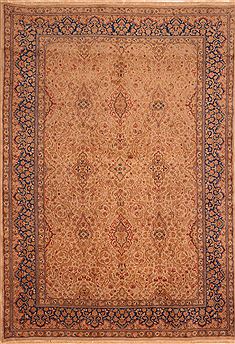
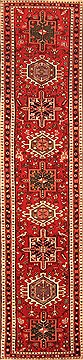
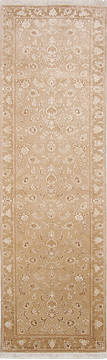
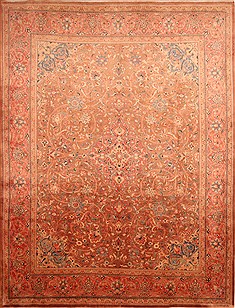
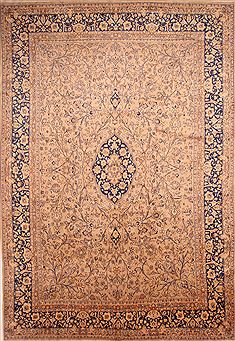
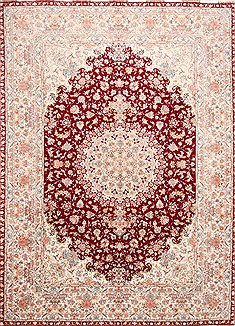
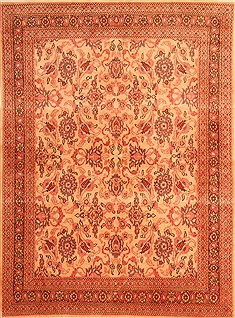
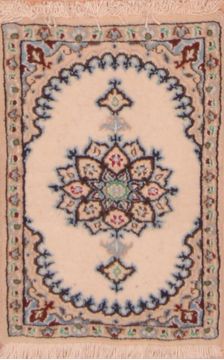
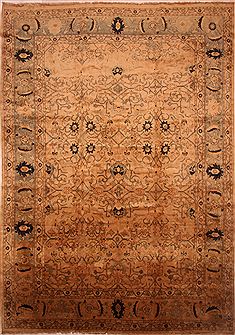
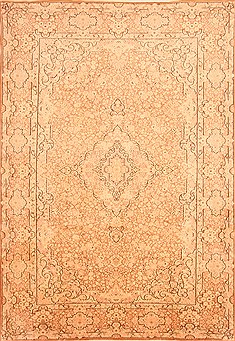
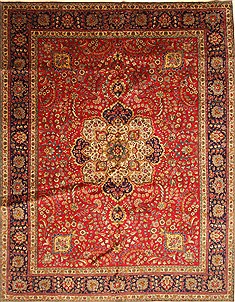
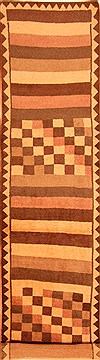
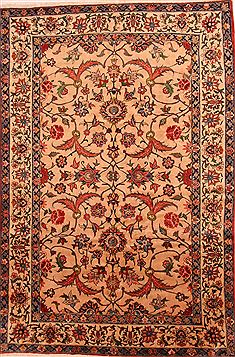
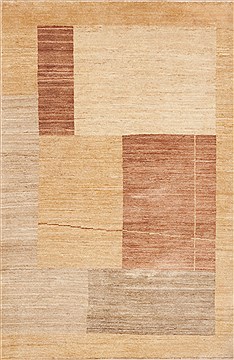
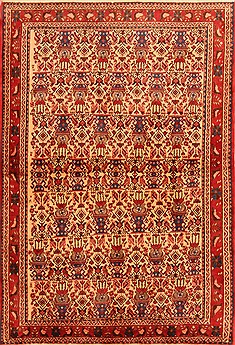
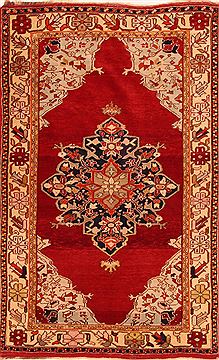
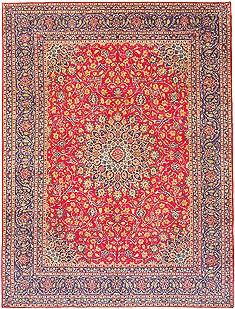
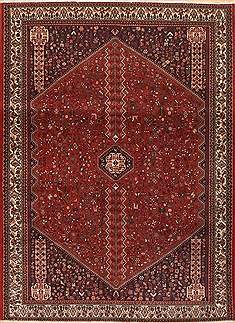
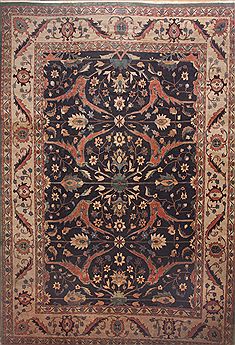
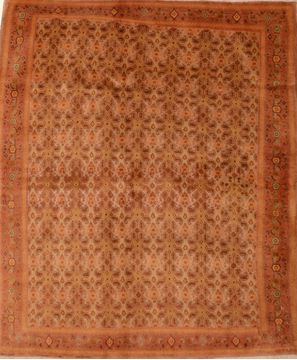
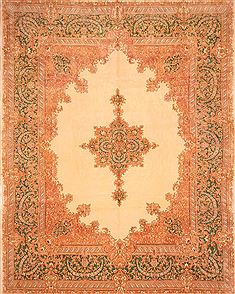
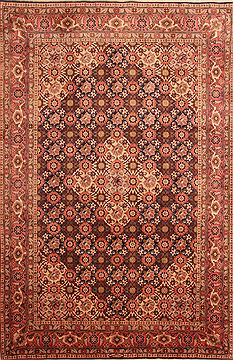
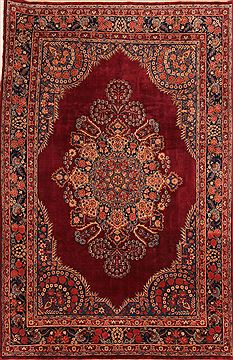
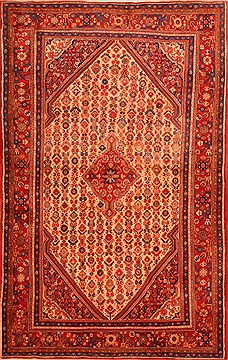
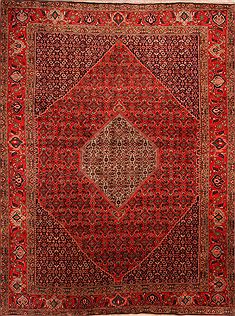
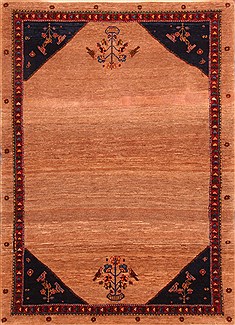
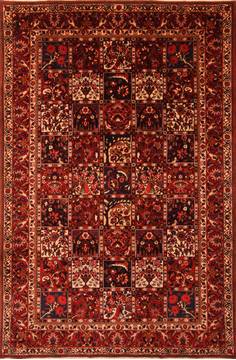
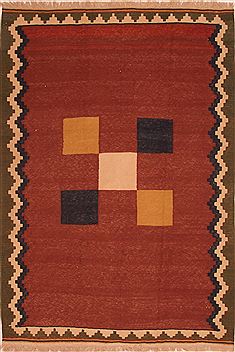
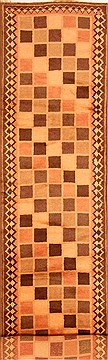
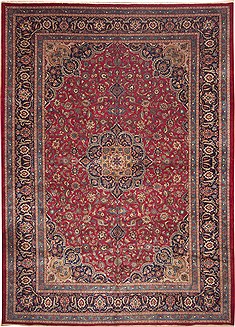
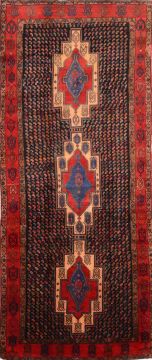
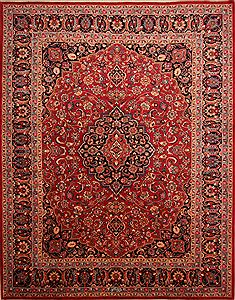
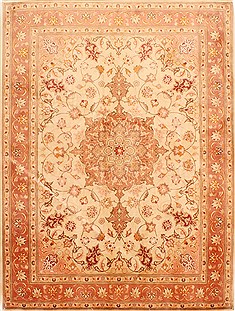
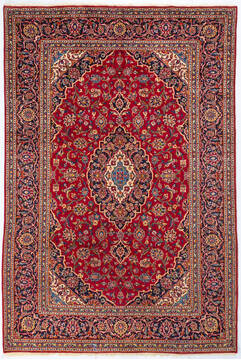
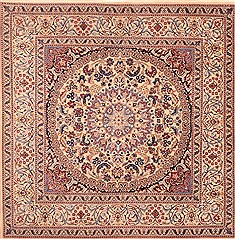
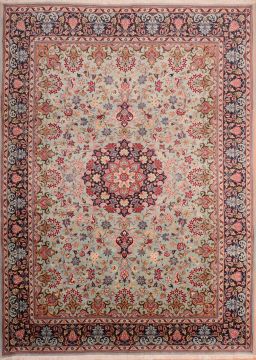
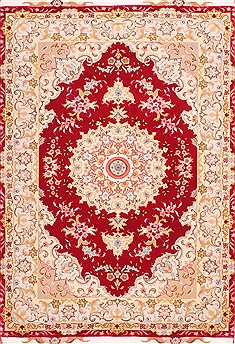
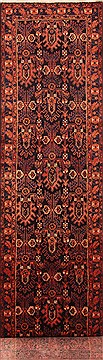
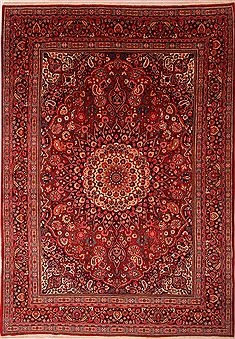
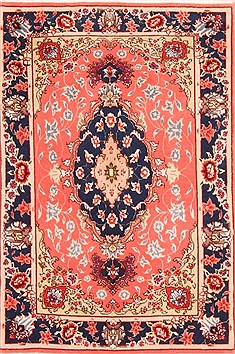
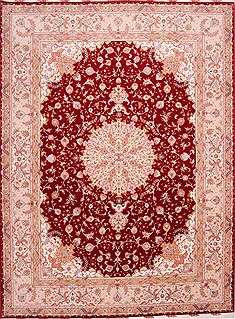
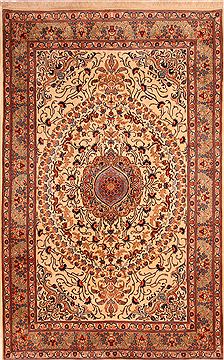
(10'10" x 12'10") Persian sarouk
SKU 100-24003
(11'6" x 16'5") Persian Tabriz
SKU 254-29169
(9'10" x 13'6") Persian Tabriz
SKU 254-29345
(7'1" x 10'6") Persian Bakhtiar
SKU 100-25516
(9'11" x 12'8") Persian Kashmar
SKU 100-14733
(13'5" x 20'3") Persian Karajeh
SKU 100-12351
(4'5" x 5'3") Persian Sino-Persian
SKU 100-109094
(11'10" x 15'0") Persian Kerman
SKU 100-25684
(9'1" x 12'6") Persian Kashan
SKU 100-21433
(6'9" x 10'3") Persian Bakhtiar
SKU 100-23104
(10'0" x 13'3") Persian Tabriz
SKU 254-29352



Be the first to know about new designs and
exclusive offers, and get up to
10% OFF
your first purchase
Rugman since 1998 | The first and oldest online rug store
You can unsubscribe with a single click. We value your privacy; click here for more info.

You have one more step to join
Rugman Insider Club.
A coupon code will be emailed to you.
Please check your email and just
click the green “Confirm Subscription” button.



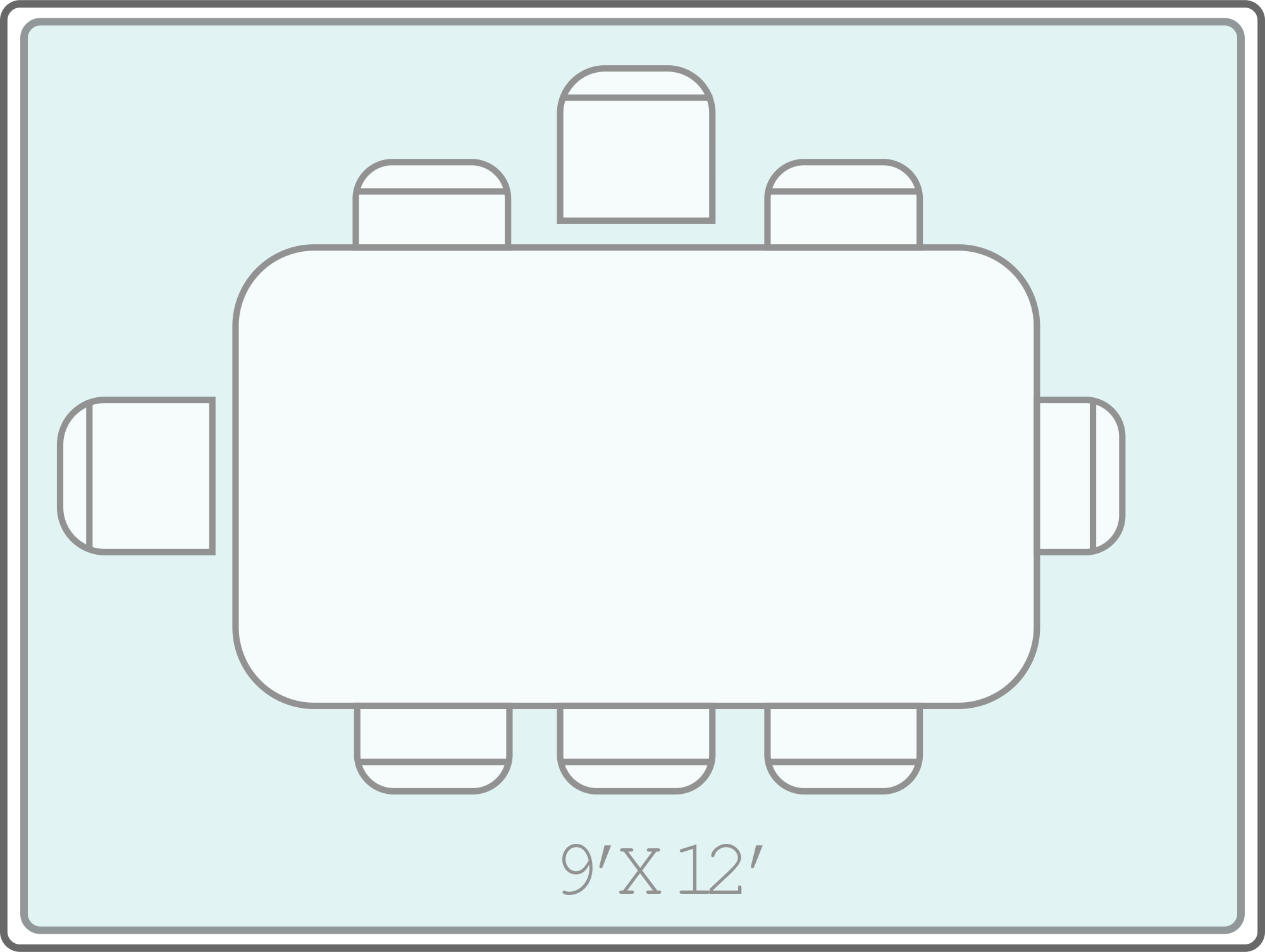 Rectangle
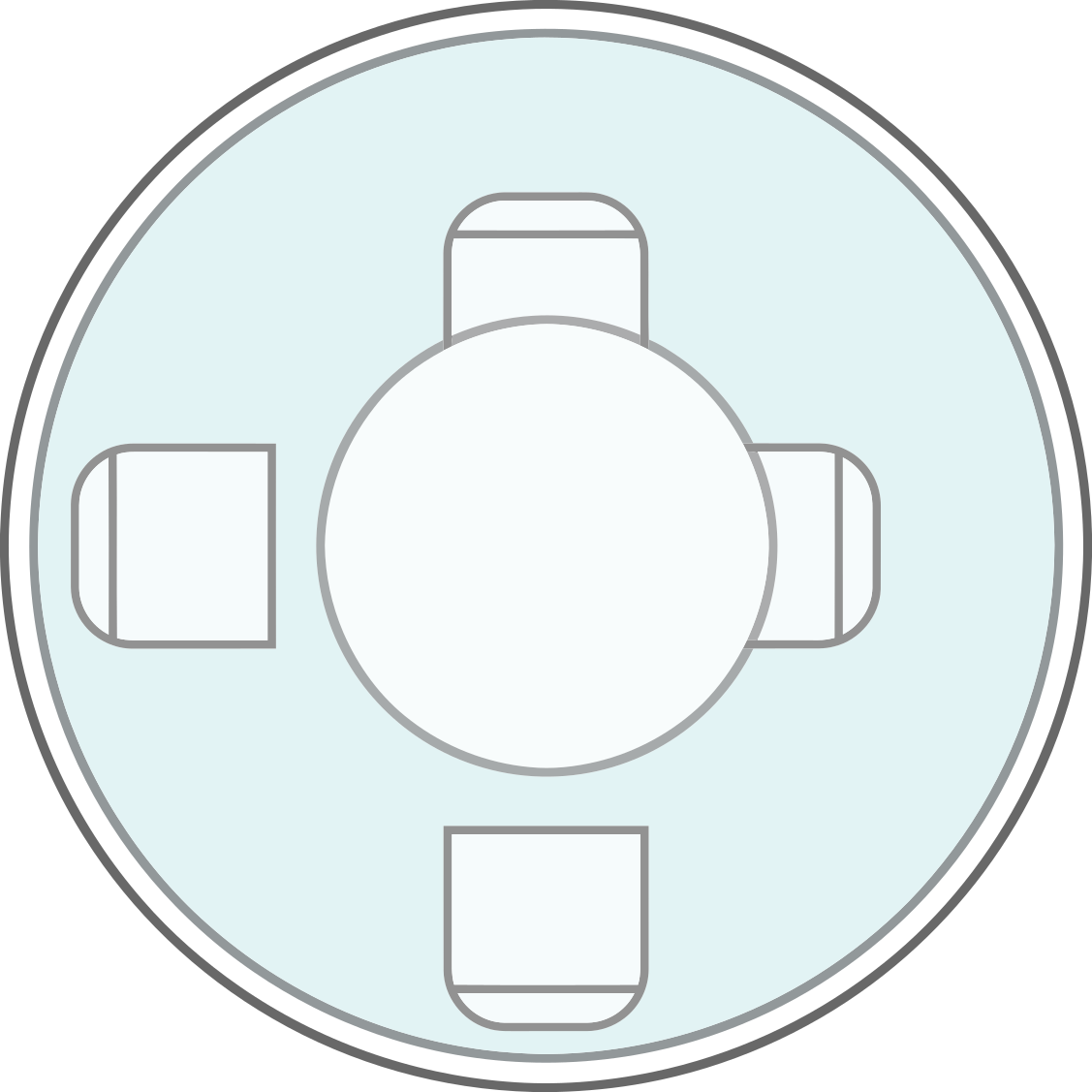 Round
Round
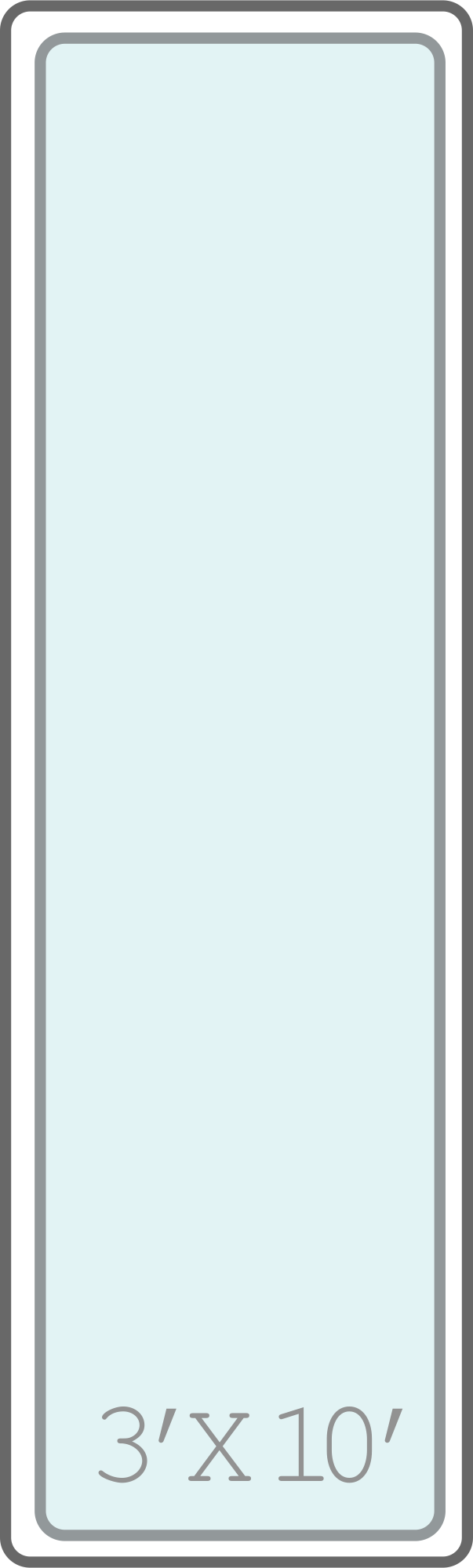 Runner
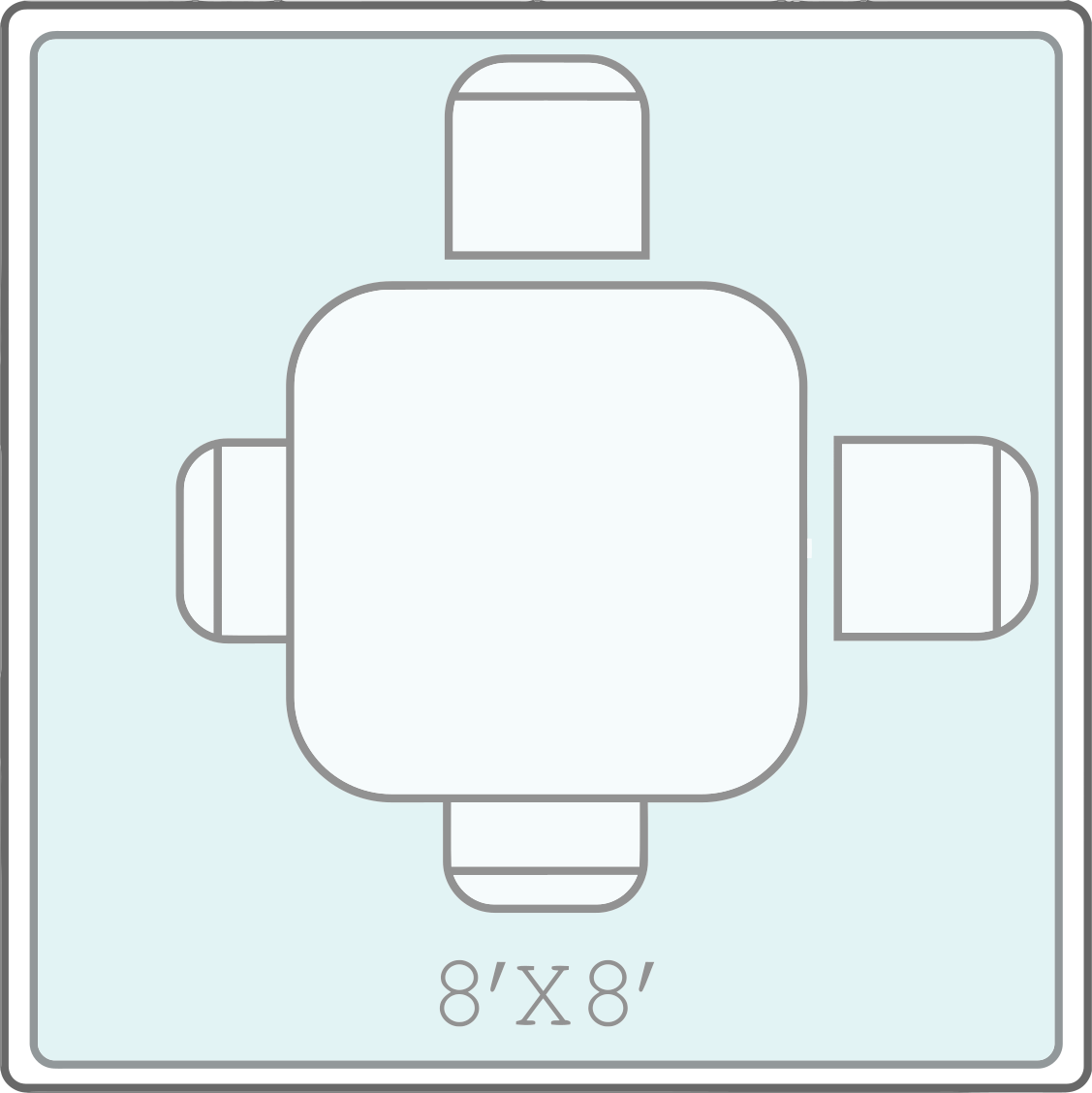 Square