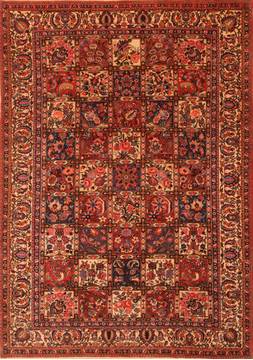
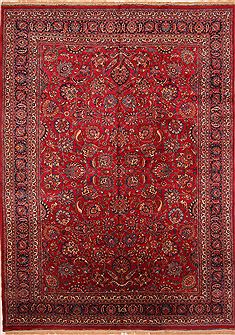
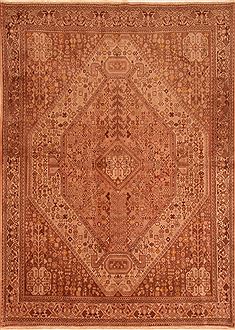
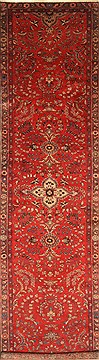
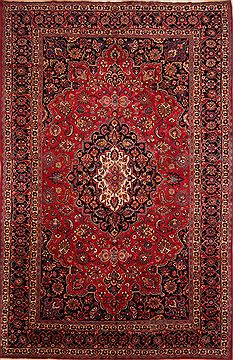
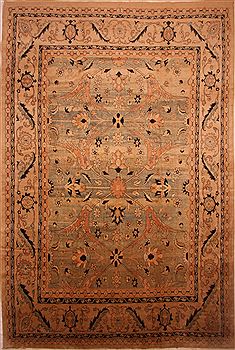
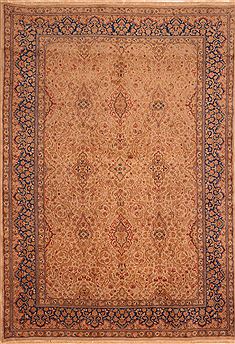
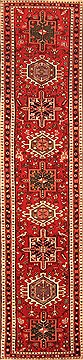
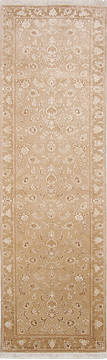
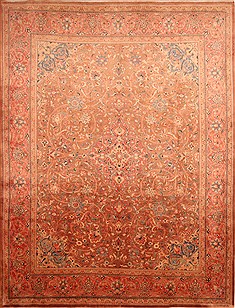
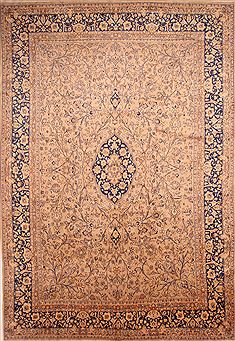
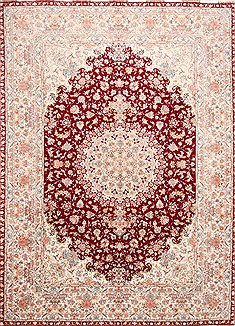
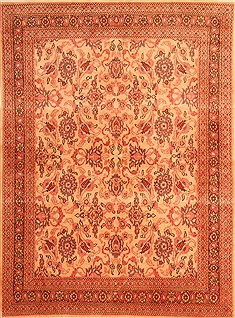
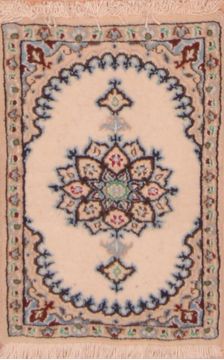
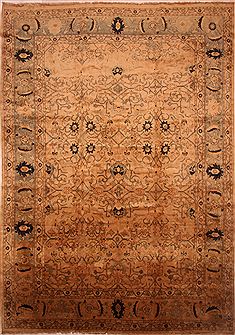
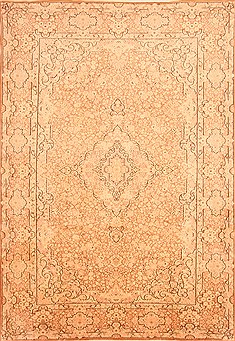
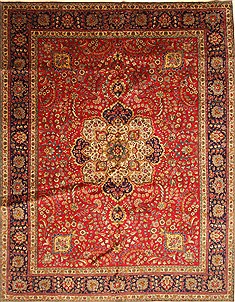
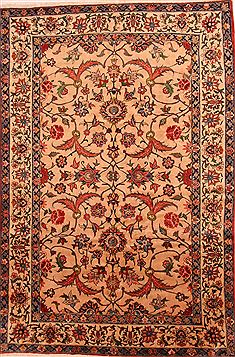
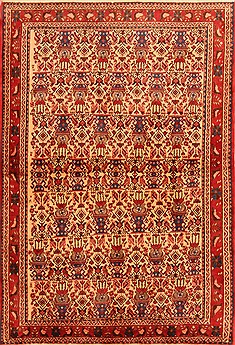
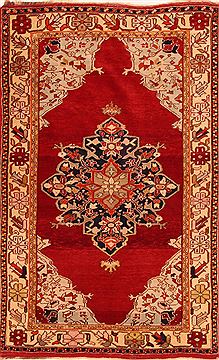
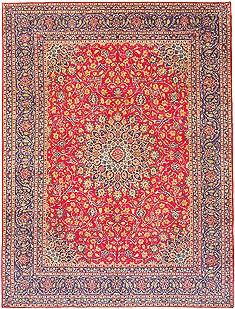
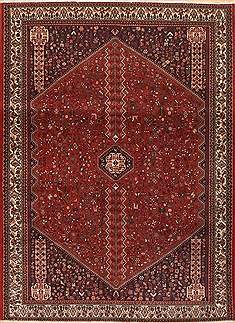
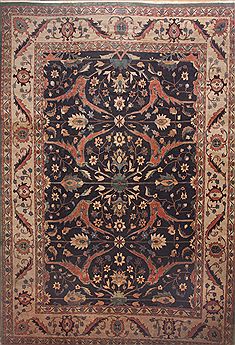
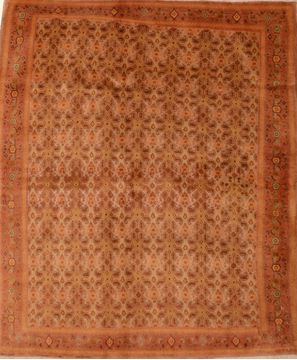
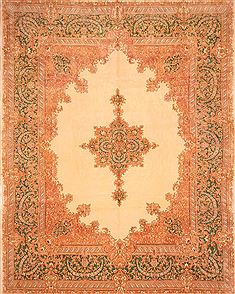
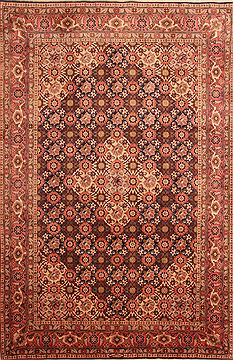
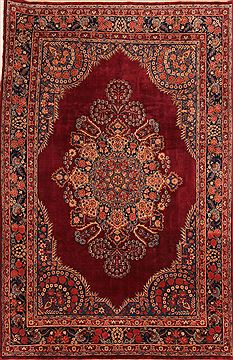
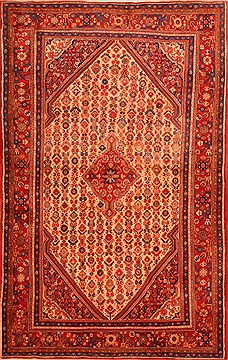
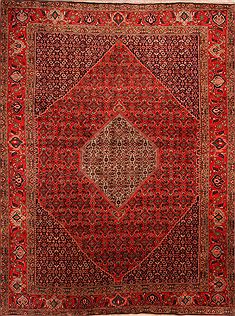
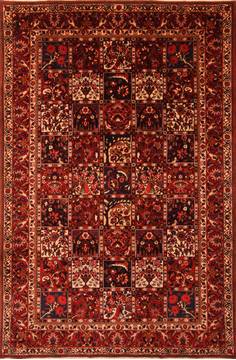
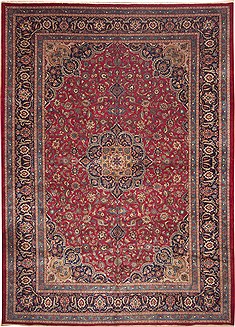
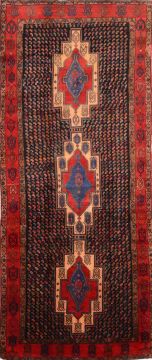
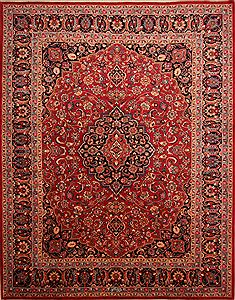
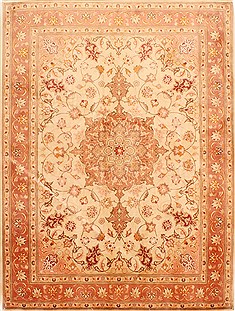
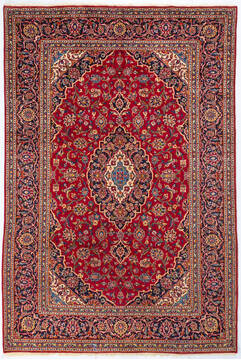
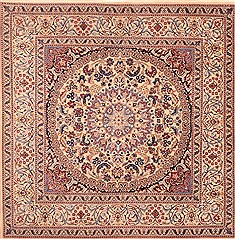
Carpet weaving has long been considered a thread running through Persian culture, and is considered an Iraninan art. Rugman features a wide range of Persian rugs for sale, including the popular Tabriz Rugs, to choose the perfect hand knotted, meticulously crafted rug for your home or office. Rugs woven in the villages are distinguished by their fine wool, bright and elaborate colors, and specific, traditional patterns of Persian rugs for sale.
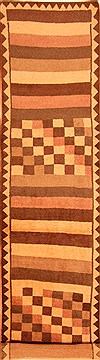
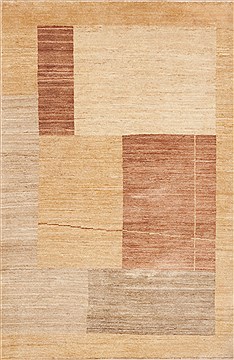
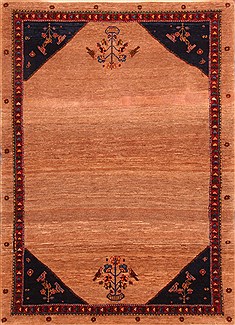
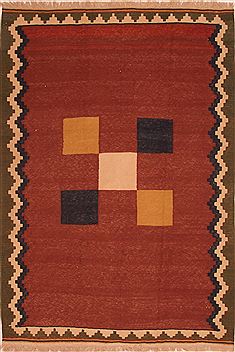
Nomadic and small village weavers often produce rugs with bold colors and more coarse textures. View the Gabbeh Rugs collection if you're looking for an example of are the best-known example of Persian rugs for sale that are bright, durable and versatile.
(6'9" x 9'7") Persian Bakhtiar
SKU 100-23319
(10'10" x 12'10") Persian sarouk
SKU 100-24003
(11'6" x 16'5") Persian Tabriz
SKU 254-29169
(9'10" x 13'6") Persian Tabriz
SKU 254-29345
(7'1" x 10'6") Persian Bakhtiar
SKU 100-25516
(9'11" x 12'8") Persian Kashmar
SKU 100-14733
(13'5" x 20'3") Persian Karajeh
SKU 100-12351
(4'5" x 5'3") Persian Sino-Persian
SKU 100-109094
(11'10" x 15'0") Persian Kerman
SKU 100-25684
(9'1" x 12'6") Persian Kashan
SKU 100-21433
(6'9" x 10'3") Persian Bakhtiar
SKU 100-23104



Be the first to know about new designs and
exclusive offers, and get up to
10% OFF
your first purchase
Rugman since 1998 | The first and oldest online rug store
You can unsubscribe with a single click. We value your privacy; click here for more info.
You have one more step to join
Rugman Insider Club.
A coupon code will be emailed to you.
Please check your email and just
click the green “Confirm Subscription” button.


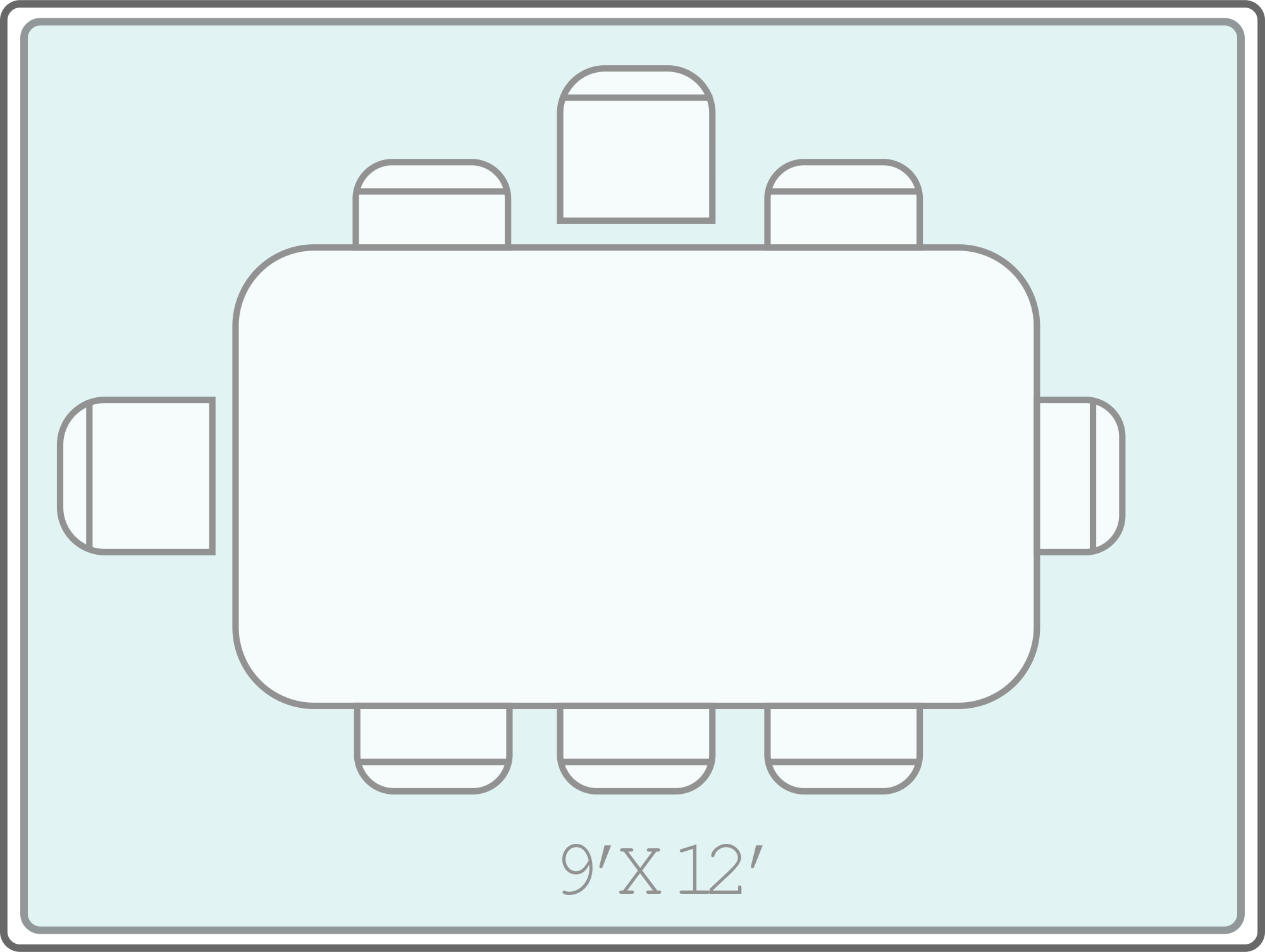 Rectangle
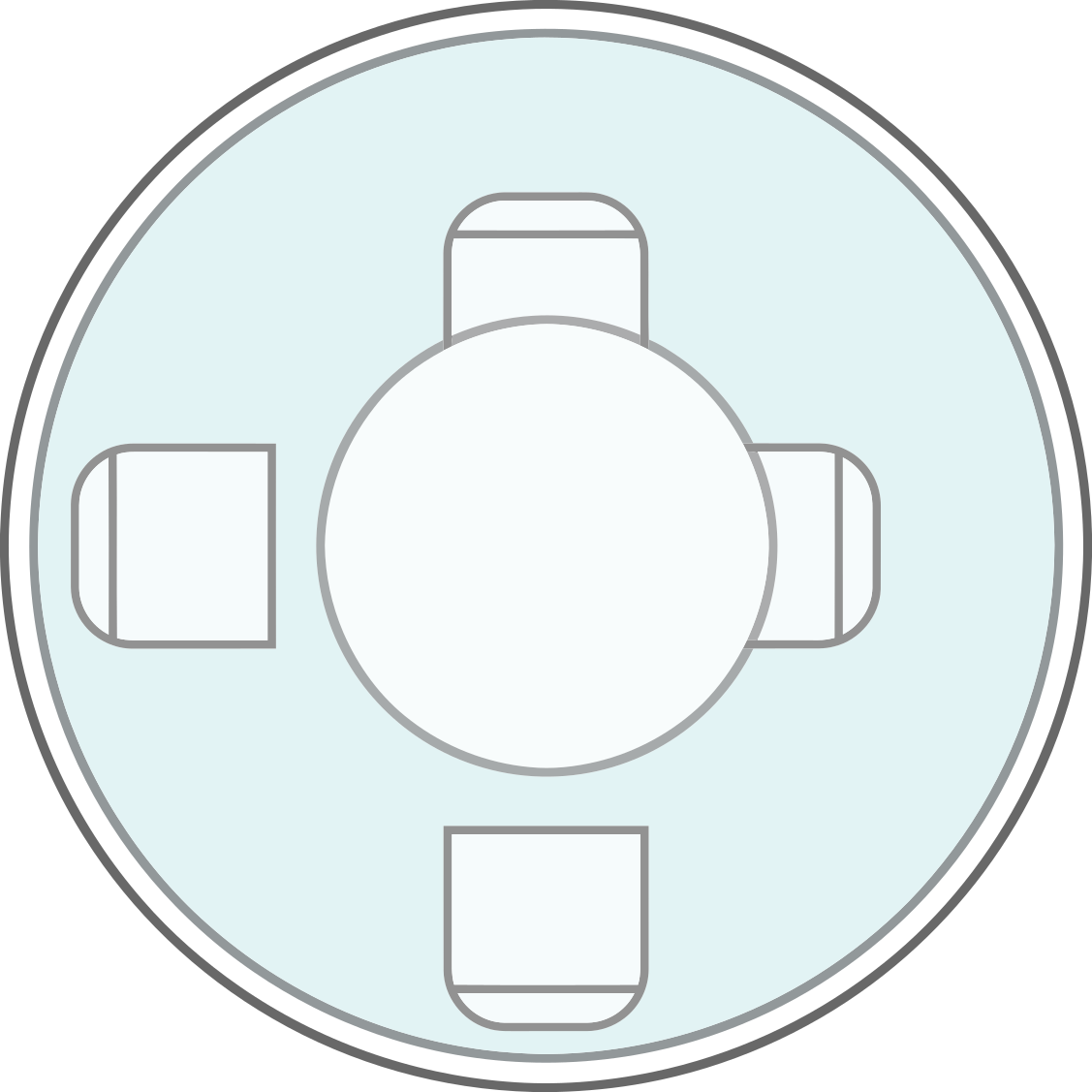 Round
Round
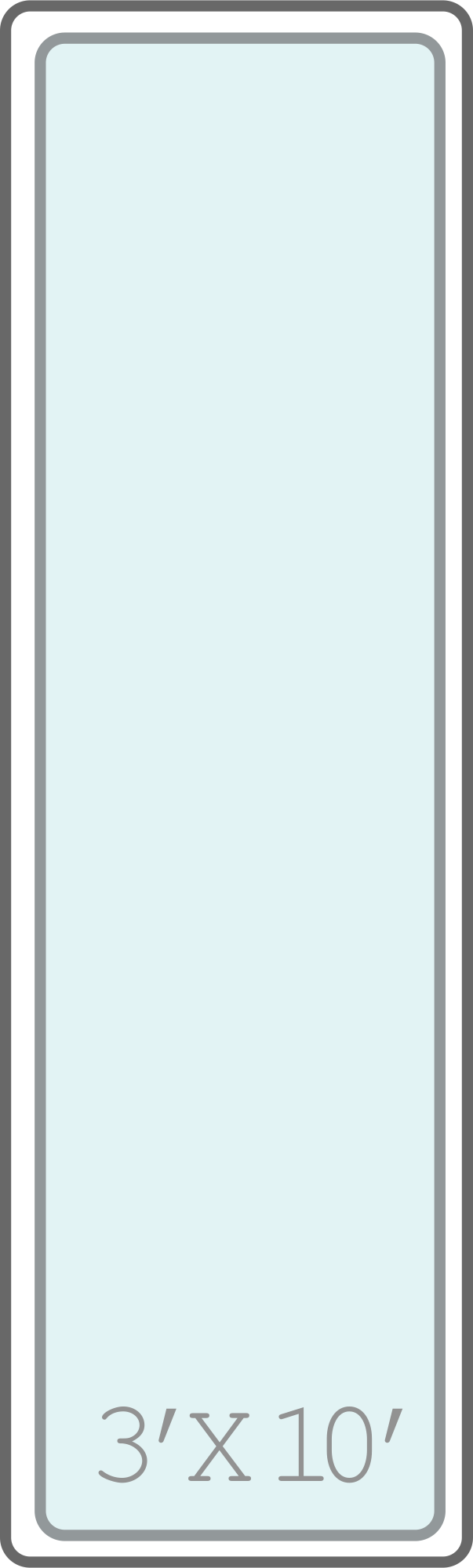 Runner
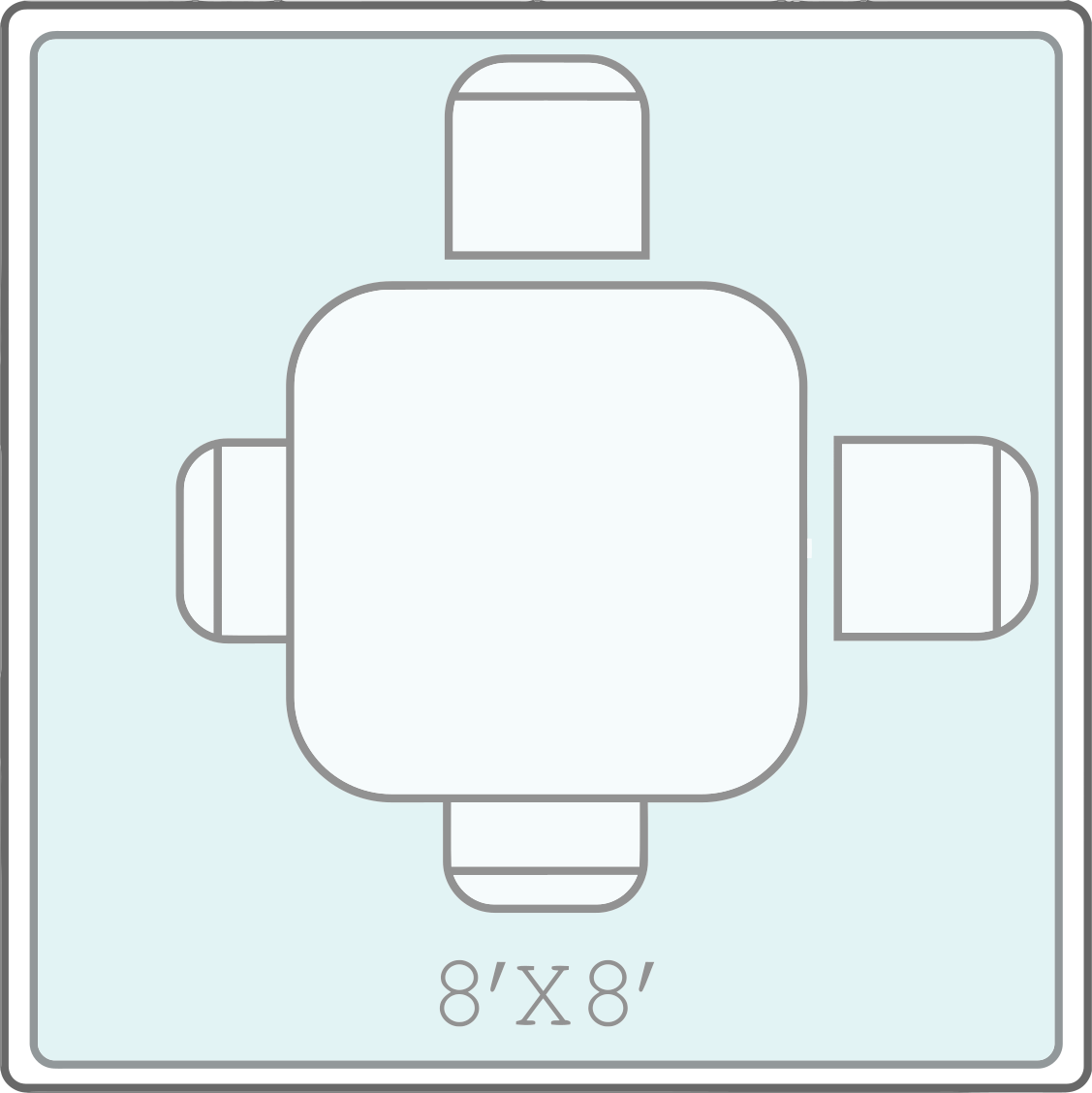 Square