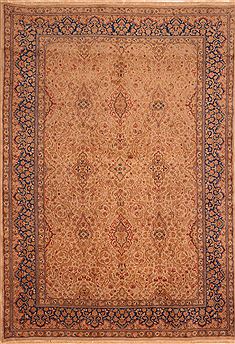
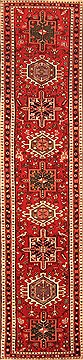
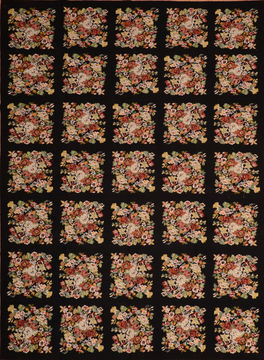
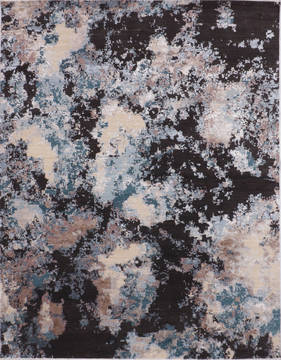
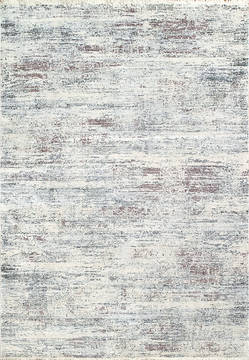
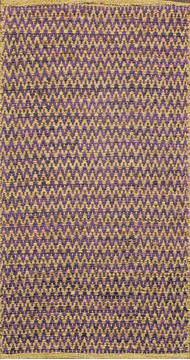
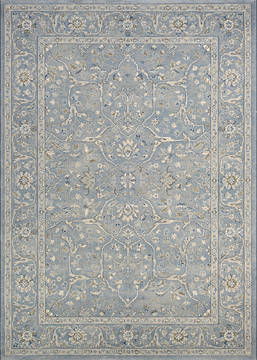
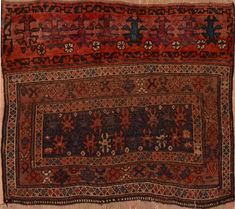
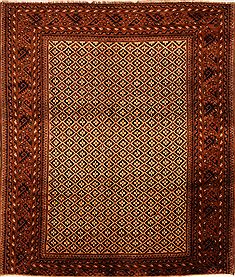
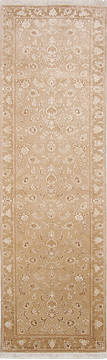
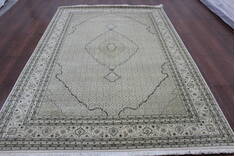
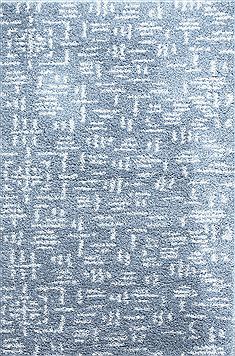
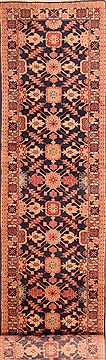
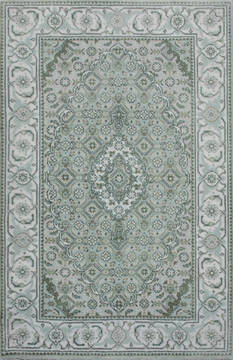
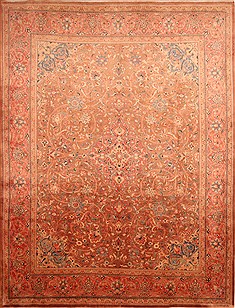
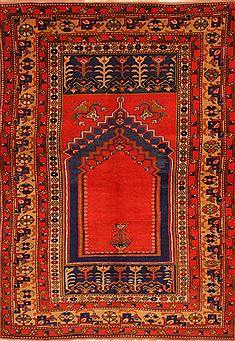
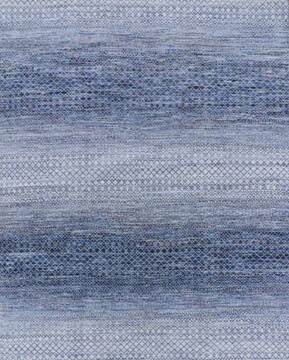
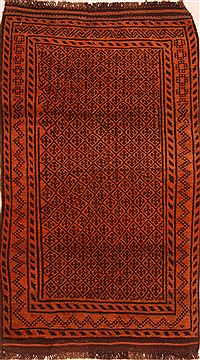
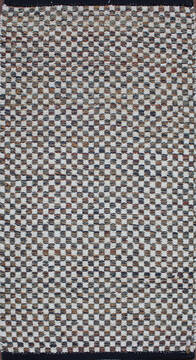
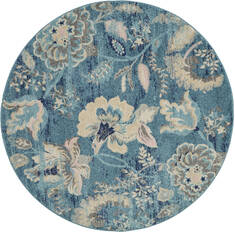
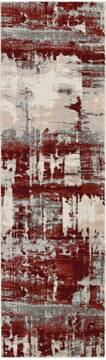
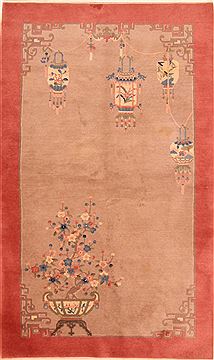
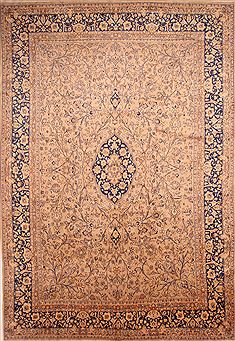
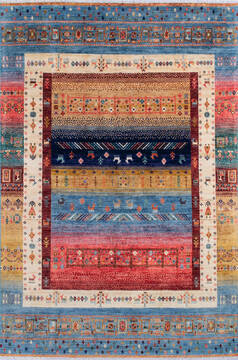
This Premium Yellow on Red Hand knotted Mughal Garden area rug is a true one-of-a-kind work of art. Indian rugs are known as some of the best area rugs in the world.This Indian rug is made with 100% Wool pile,a 100% Cotton foundation. The KPSI is 100 for this Indian rug;it took 672 days to weave and is in Excellent condition.
Mughal Garden pattern originates from a carpet woven in Northern India in the mid 1600’s. An antique carpet (ca. 1650) in the same design, only woven in pashmena wool on a silk foundation, is on display at the Metropolitan Museum of Art in New York City. During this time period flowers moved from being highlight designs to being the primary design of the carpets. These carpets bloomed with naturalistic floral motifs. Mughal carpets were also an inspiration to the famed William Morris and other arts & crafts innovators.
Indian rugs, not be confused with Native American rugs, refer specifically to carpets from India, although in their earliest incarnation, Indian rugs were not made in India, but imported from Persia by the emperor Akbar in the 1500''''s. The origin of the Indian rug, therefore, was one intended specifically for the court to adorn palaces; weaved pieces of art. It was actually during Akbar's reign that (1556-1605) that weavers were encouraged to come to the court workshop and contribute to the free flow of ideas and design exchange. This exchange created amongst the most inventive and spirited weavings of that time period.
Utilizing time honored techniques the two major weaving districts in India are in Agra as well as the area around Jaipur, southwest of Delhi. Both districts produce an incredible assortment of rugs weaved by master artisans who treat every rug as a work of art.
Using the ancient technique of hand knotting, these Indian rugs are truly a work of art. The very detailed designs and involved patterns flow seamlessly and are the mark of a highly experienced weaver(s). The actual process of individually hand knotting each fiber is extremely lengthy (can take 6 months or more) depending on the KPSI (knots per sq. inch) which can be anywhere between 64 to 200 KPSI! More than one weaver may participate in the weaving process. The partnership amongst the weavers is crucial in creating the flow required to achieve the coordinated and smooth designs so prevalent in the Indian Rugs seen here. The beauty of the Indian culture is translated into these Indian Rugs through the grace and skill of India's weavers.